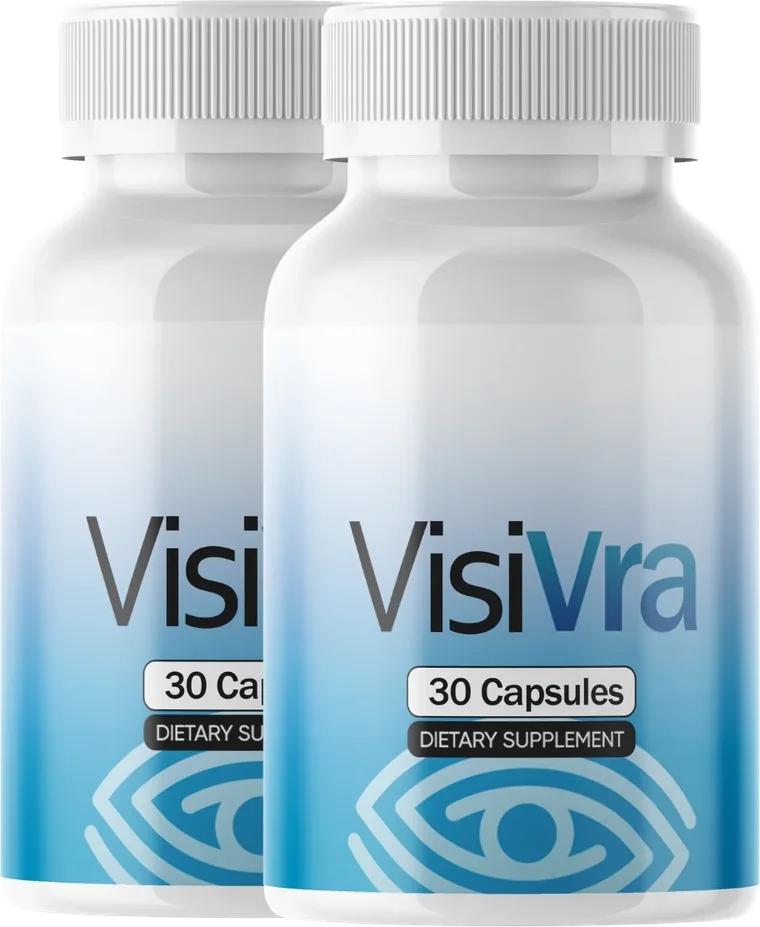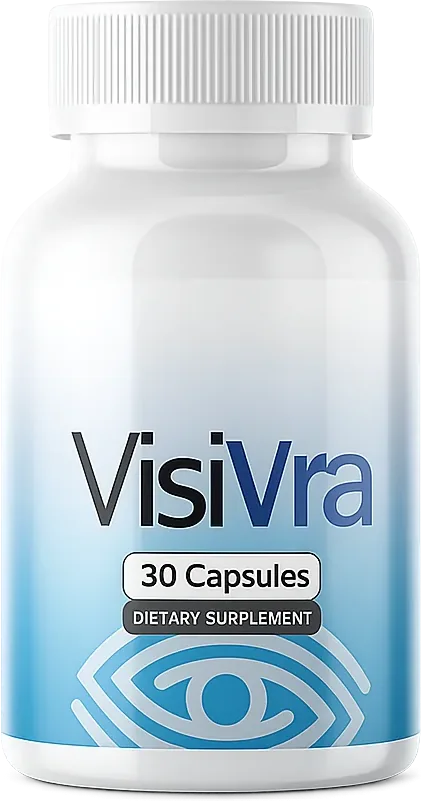
Visivra Capsules astaxanthin is one of six names on the seller's ingredient list, and no amount for it is printed in anything we hold1. The full list is lutein, zeaxanthin, bilberry extract, astaxanthin, zinc and vitamin A, and the bottle panel is not visible in our photos.
Astaxanthin is the least familiar name of the six for most readers. It has no daily requirement, no US Daily Value in the sources we use, and no US government consumer fact sheet that we found. The clearest public safety review we can point to comes from the European Food Safety Authority (EFSA), which looked at astaxanthin in food supplements in 2020. This page explains what that review concluded, who it covers, and what it cannot tell you about Visivra.
Line01What is the astaxanthin listed for Visivra Capsules?
Astaxanthin is a carotenoid, a reddish pigment from the same broad family as lutein and zeaxanthin. People already eat it in fish and crustaceans2.
That dietary link is useful context. Astaxanthin is not a laboratory invention new to the human diet; it is part of ordinary seafood. A supplement, though, can deliver it in a concentrated amount on top of what you eat, which is exactly the situation EFSA was asked to assess.
The seller's list gives the name only1. We do not know the amount, the source of the astaxanthin, or how it is described on the panel. The front-label photos show the brand, "30 Capsules" and "DIETARY SUPPLEMENT", with no Supplement Facts panel3.
If you want to see how astaxanthin sits alongside the other five names, the ingredients hub lays them out in one table. For the carotenoids with the most eye research behind them, see our lutein and zeaxanthin page.
Line02What did EFSA conclude about astaxanthin like that in Visivra Capsules?
EFSA concluded in 2020 that 8 mg of astaxanthin a day from food supplements, on top of the usual diet, is safe for adults2. That conclusion is about astaxanthin in general, not about Visivra.
The phrase "on top of the usual diet" matters. EFSA's figure assumes you also get some astaxanthin from food, such as fish and shellfish, and the 8 mg is the supplement share that still fits within safe intake for an adult.
EFSA also looked at younger age groups, and the picture changes:
| Age group | EFSA 2020 finding at 8 mg a day from supplements | What it means when reading a panel |
|---|---|---|
| Adults | Safe on top of the usual diet2 | Compare the panel amount with 8 mg once you see it |
| Teenagers, 14 to under 18 | Reach the acceptable daily intake2 | No room left for more; ask a doctor first |
| Younger children | The acceptable daily intake is exceeded2 | Not a level EFSA considers acceptable for them |
| Visivra Capsules | Amount not printed in anything we hold1 | Ask the order desk for the panel |
The right-hand column is our reading of how to use EFSA's finding, not EFSA's own advice to shoppers.
Line03Why does a European review apply to Visivra Capsules readers in the US?
It applies only as background. EFSA is a European agency, and its review is the clearest public safety assessment we found, but it is not a US rule or an approval.
We did not find a US government consumer fact sheet on astaxanthin to cite. NIH's Office of Dietary Supplements covers zinc and vitamin A in detail, which is why those pages on this site can quote US daily needs and upper limits. For astaxanthin, EFSA's figure is the best yardstick available to us.
Keep the US frame in mind as well. In the US, the FDA does not approve dietary supplements before they are sold, and makers and distributors are responsible for safety and truthful labels4. So no US agency has reviewed the astaxanthin amount in Visivra. That makes the Supplement Facts panel, and your own questions, the real safety check.
NIH also notes that supplements can have strong effects and can interact with medicines5. That general caution holds for astaxanthin as much as for any other listed ingredient.
Line04How does astaxanthin differ from other carotenoids on the Visivra Capsules list?
Astaxanthin, lutein and zeaxanthin are all carotenoids, but public sources say different things about each. The difference that matters most for label reading is how each relates to vitamin A.
NIH explains that some carotenoids, such as beta-carotene, are turned into vitamin A by the body6. Lutein and zeaxanthin are not7. For astaxanthin, the sources we use do not address conversion, so we will not claim it either way.
Here is how the three carotenoid names compare in what we can cite:
- Lutein and zeaxanthin. Tested at fixed amounts in AREDS2 within a larger formula in people with AMD; found in leafy greens.
- Astaxanthin. Found in fish and crustaceans; reviewed for safety by EFSA; not part of the AREDS2 formula.
- Beta-carotene. Not on the seller's list by name, though the vitamin A on the list could come in that form; we do not know.
None of these comparisons says anything about Visivra's amounts, which remain unprinted in everything we hold.
Line05How much astaxanthin is in Visivra Capsules?
We do not know. No astaxanthin amount appears in the photos or the owner's pack, and the pack tells writers not to invent milligrams1.
You should not read EFSA's 8 mg as Visivra's amount. It is a safety ceiling for adults, not a typical dose and not a goal. A product could hold far less or, in principle, more; only the panel tells you which.
Here is how to get the real figure:
- Contact the order desk at +1 (302) 200-3480 or [email protected] and ask for a photo of the Supplement Facts panel.
- Find the astaxanthin line and note the amount per serving.
- Check the serving size. If a serving is more than one capsule, the amount listed covers all of them.
- Add any astaxanthin from other supplements you take that list it on their own panels.
- Compare your adult total with EFSA's 8 mg figure.
Follow the directions on your bottle; sales copy mentions one capsule a day with a meal, which we could not confirm on a label. Our label guide shows where these lines usually appear.
Line06Should teenagers take Visivra Capsules with astaxanthin?
Not without a doctor's advice. Sales copy aims the product at adults 18 and over, and EFSA found teenagers reach the acceptable intake at 8 mg a day2.
The owner's pack describes the audience as adults 18 and over, with the label as the final word1. That lines up with EFSA's caution. For teenagers aged 14 to under 18, 8 mg a day from supplements already uses up the acceptable daily intake. For younger children, it goes over.
There is more than astaxanthin to think about, too. The same capsule lists vitamin A and zinc as well. For teens 14 to 18, NIH sets the upper limit for preformed vitamin A at 2,800 mcg a day, below the adult figure of 3,000 mcg6. Since none of the amounts are printed, a parent cannot work out a teenager's total from what we hold.
So the practical answer is simple. Keep the bottle away from children, and if a teenager wants to take it, start with a conversation with their doctor and the full panel in hand.
Line07Who else should ask before taking Visivra Capsules astaxanthin?
Anyone pregnant, nursing, with a medical condition or taking any medicine should show the full panel to a doctor or pharmacist first. That covers the product as a whole.
- Pregnancy and nursing. The EFSA finding we cite does not address these groups, and the vitamin A on the list adds a separate pregnancy question. Ask first.
- Medicines. Supplements can interact with medicines5. Tell every provider what you take, and never change or stop a medicine on your own.
- Other carotenoid products. If you already take a supplement listing astaxanthin, the amounts add up.
- Medical conditions. A chronic condition, or an upcoming procedure, is a reason to check with the person managing your care.
The FDA also advises talking to a doctor, pharmacist or other health professional before buying or using a supplement8. Our safety page and medications page bring all six listed names together.
Line08Does astaxanthin make Visivra Capsules do anything for your eyes?
Nothing we hold shows that. The sources we cite on astaxanthin address its safety in supplements, not any effect on eyes or vision.
Sales pages for the product make claims about eyesight and screens that we cannot verify. EFSA's review was a safety assessment; it did not set out to show a benefit, and we cite it only for what it found about safe intake. Visivra's amount is unknown, and the product itself has not been studied in anything we have seen.
If your eyes are bothering you, the right next step is an eye care professional. New or sudden vision changes, eye pain, redness, flashes or double vision all need prompt attention, whatever supplement you take.
Tool
Daily total checker: add up vitamin A, zinc and astaxanthin
Visivra's amounts are not printed in anything we hold. Once you have its panel, add its amount to what your multivitamin or other products give, and see the total against the public reference levels. Nothing leaves your device.
Enter the amount from your panels. Reference: 3,000 mcg (NIH upper limit for adults 19+).
Enter the amount from your panels. Reference: 40 mg (NIH upper limit for adults).
Enter the amount from your panels. Reference: 8 mg (EFSA safe level for adults).
Upper limits from NIH (vitamin A: preformed only, not beta-carotene; zinc: all sources) and EFSA (astaxanthin, adults). The red line marks the reference level. Under a doctor's care different amounts may apply; never change a prescribed plan on your own.
Tool
Bottle panel checker
When your bottle arrives, or when the order desk sends the panel, tick what you see and what applies to you. You get a short list of notes and questions to take to a pharmacist. Nothing leaves your device.
Your notes
- Tick what your label shows. With nothing ticked, the first note is simple: you have not yet seen the amounts, so ask for the panel before you take a capsule.
These notes repeat cautions from NIH, NCCIH, NEI and CDC sources cited on this site. They are not medical advice and do not replace a pharmacist or an eye exam.
Safety: Visivra is sold for adults. The bottle photos show only the front label; no Supplement Facts panel, amounts or warnings are visible. Read the full panel before use. The seller lists vitamin A and zinc, which have daily upper limits from all sources combined. If you are pregnant or might be, breastfeeding, under 18, smoke or used to smoke, have a medical condition or take any medicine, ask your doctor or pharmacist first. Never change a prescribed medicine on your own. A supplement does not replace an eye exam: sudden vision changes, eye pain, redness, flashes or double vision need an eye care professional.
Frequently asked questions
What is Visivra astaxanthin made from?
The seller's list names astaxanthin without a source or amount. Astaxanthin in general is a carotenoid also eaten in fish and crustaceans; ask the order desk what the panel says.
Is the astaxanthin in Visivra Capsules within EFSA's adult level?
We cannot say, because the amount is not printed in anything we hold. EFSA's 2020 safe level for adults is 8 mg a day from supplements on top of the usual diet.
Where can I find the Visivra Capsules astaxanthin amount?
Only on the Supplement Facts panel, which our photos do not show. Ask the order desk at +1 (302) 200-3480 for a photo, and check the serving size.
Is there a US government Visivra astaxanthin safety limit?
We found no US government consumer fact sheet on astaxanthin, so we use EFSA's 2020 review as background. No US agency has reviewed Visivra's amount.
Can teens use Visivra Capsules astaxanthin safely?
Ask a doctor first. EFSA found teenagers 14 to under 18 reach the acceptable intake at 8 mg a day from supplements, and the product is aimed at adults 18 and over.