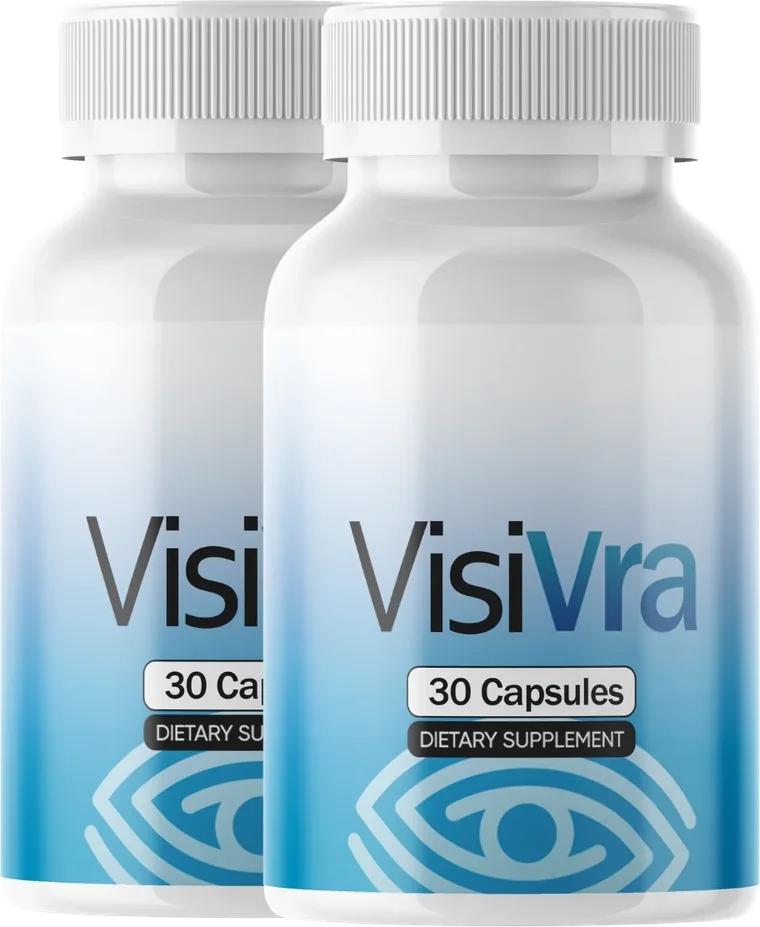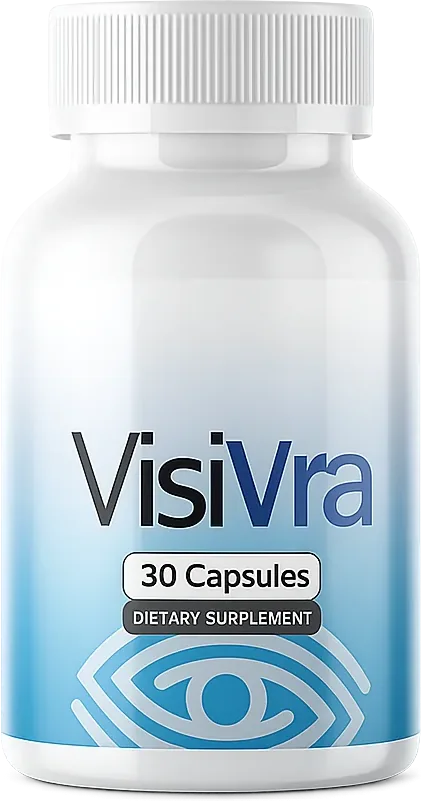
Comparing Visivra Capsules vs other eye supplements comes down to the label, not the marketing: you line up forms, amounts and Daily Values, then cost per day. For this product that is hard, because the panel is not visible in the photos we hold and no amounts are printed in anything we have12.
So this page gives you a method you can use on any eye supplement, shows the AREDS2 study formula as a reference point only, explains why stacking two products is the bigger risk, and sets out the Visivra price figures we hold. We do not name other brands, and we do not compare effects, because no study of this product exists in anything we hold.
Line01How should you compare Visivra Capsules with other eye supplements?
Compare what the panels print, not what the sales pages say. Effects cannot be compared when one product has never been studied.
A fair comparison has four layers. First, the ingredient names. Second, the form of each ingredient, since vitamin A as preformed vitamin A and as beta-carotene behave differently. Third, the amount per serving and the percent Daily Value. Fourth, the serving size and cost per day. Only the first layer is available for Visivra right now: the seller's list names lutein, zeaxanthin, bilberry extract, astaxanthin, zinc and vitamin A2. Those names come from the owner's pack, not from a panel on the photos.
That means any side-by-side today stops at names. Once you have the real bottle, read its panel and fill in the rest. Our ingredients page covers each listed name.
Line02What does a Supplement Facts panel let you compare?
The panel gives amounts and percent Daily Values, and Daily Values exist so you can compare products3. They turn different units into one scale.
For reference, the FDA Daily Value for vitamin A is 900 mcg RAE and for zinc is 11 mg3. If one product shows 100 percent of the zinc Daily Value and another shows several hundred percent, you know at a glance which one adds more zinc to your day.
Read these lines on every panel you compare:
- Serving size: one capsule or more.
- Each ingredient's amount and percent Daily Value.
- The form of vitamin A, such as retinyl palmitate or beta-carotene.
- The plant part for herbal extracts, such as bilberry fruit or leaf.
- The other ingredients line, for fillers, binders and the capsule shell.
Our label guide shows where each line usually sits.
Line03How does Visivra compare with the AREDS2 study formula?
It cannot be compared on amounts, because Visivra's are not printed, and the AREDS2 results do not apply to it. AREDS2 is a reference point for what one large study tested.
The AREDS2 formula contained vitamin C 500 mg, vitamin E 400 IU, zinc 80 mg, copper 2 mg, lutein 10 mg and zeaxanthin 2 mg4. In people with intermediate AMD, these supplements lowered the risk of progression to advanced AMD by about 25 percent. The same findings show they did not stop AMD from starting and did nothing for cataract4.
Those findings belong to that formula, at those amounts, in that group of people. Visivra is a different product with a different list, and its amounts are unknown. The NEI also advises talking to your doctor or eye care professional about which supplement, if any, is right for you5. If you have been told you have AMD, that conversation comes before any purchase.
Line04AREDS2 formula and the Visivra list, name by name
The table compares ingredient names only, plus what public sources say about each. It does not compare amounts or effects.
| Ingredient | In the AREDS2 study formula | On the Visivra seller's list | Reference point |
|---|---|---|---|
| Lutein, zeaxanthin | Yes | Yes, amounts not printed | Not converted into vitamin A |
| Zinc | Yes | Yes, amount not printed | Adult upper limit 40 mg a day, all sources |
| Copper | Yes | Not named | Added in AREDS to avoid zinc-related copper deficiency |
| Vitamins C and E | Yes | Not named | Part of the study formula |
| Vitamin A | No (beta-carotene was in the first AREDS) | Yes, form and amount not printed | Preformed upper limit 3,000 mcg a day for adults |
| Bilberry, astaxanthin | No | Yes, amounts not printed | Not part of either study formula |
The copper row is worth a pause. The NEI explains that copper was added to the formulas to avoid zinc-related copper deficiency5. If your Visivra panel lists zinc but no copper, ask your pharmacist whether that matters for your total intake.
Line05How does Visivra compare with lutein supplements and general eye vitamins?
The comparison is again panel against panel, and the bigger question is overlap. Taking two products that share ingredients can push totals past a limit.
A lutein-only product and Visivra share lutein and, often, zeaxanthin. These two carotenoids are not converted into vitamin A6, so they do not add to a vitamin A total. Zinc and vitamin A are different. Zinc has an adult upper limit of 40 mg a day from all sources7, and preformed vitamin A has one of 3,000 mcg a day8. An eye vitamin plus a multivitamin plus Visivra could add up fast, and you cannot see by how much until you have every panel.
The NEI notes that its study formulas do not replace a multivitamin5, which tells you people often take both. If you do, show all the panels to your pharmacist. Our zinc and vitamin A pages show the sums.
Line06Why does this page not compare effects?
Because an effect comparison needs a study of each product, and we hold none for Visivra. Comparing a studied formula with an unstudied one would be guesswork dressed up as a chart.
Many comparison pages rank eye supplements by how well they work. Look closely and the ranking usually rests on ingredient names alone. Two products can share every name on their lists and still differ tenfold in amounts, use different forms of vitamin A, or source bilberry from a different part of the plant. Names tell you very little about what ends up in your body each day.
There is also no outside referee for supplement claims. Sellers write their own descriptions, and no agency checks them before they reach you. So a claim that one product is stronger, faster or more complete than another is just another claim, unless it points to a study of both.
What you can compare honestly is short:
- What each panel prints, line by line.
- How each product adds to the totals you already take.
- What each costs per day at its own serving size.
- How easy it is to reach the seller with questions, and whether they answer in writing.
That last point is easy to overlook. A seller who sends a full panel quickly gives you something to compare; one who cannot gives you a reason to wait. For what the seller says the product is meant to do, and why we do not repeat it, see how Visivra Capsules is said to work.
Line07How does Visivra Capsules cost per day compare?
Cost per day is the fairest price comparison, as long as you use each product's own serving size. Here are the Visivra figures we hold.
The owner's pack lists 2 bottles at $79 each ($158), 3 bottles at $69 each ($207) and 6 bottles at $49 each ($294)2. At one capsule a day, our arithmetic gives about $2.63, $2.30 and $1.63 a day. Some sales copy shows a shipping fee of about $9.99 on some packs. These are the owner's pack figures as of November 25, 2026; confirm the price, shipping and total at the live checkout.
To compare another product, divide its total price by the number of days it lasts at its label serving. A product with two capsules a day lasts half as long per bottle. Follow the directions on your bottle; sales copy mentions one capsule a day with a meal, which we could not confirm on a label. See pricing for each pack, or see the live price.
Line08What are the alternatives that do not come in a bottle?
Diet and regular eye exams are the alternatives every source on this page points to. Neither needs a panel to compare.
The NEI notes that diets rich in green leafy vegetables, a good source of lutein and zeaxanthin, have been linked to lower AMD risk5. A dilated eye exam is the single best thing you can do for eye health, because many eye diseases have no early symptoms9. Any change in your vision, eye pain or redness needs an eye care professional, whatever supplement you take. If you are pregnant, nursing, smoke or used to smoke, have a medical condition or take any medicine, ask your doctor or pharmacist before choosing any eye supplement. Our safety page covers why.
Line09Which questions settle a Visivra Capsules comparison?
Ask the order desk for the panel, then run the same questions for every product you are weighing. The desk is at +1 (302) 200-3480 and [email protected]2.
- What is the amount and percent Daily Value of each ingredient?
- What form is the vitamin A?
- Is the bilberry from fruit or leaf?
- Does it list zinc without copper?
- How many capsules make one serving?
- What would my total zinc and vitamin A be with everything else I take?
If a seller cannot answer the first question, you cannot compare the product at all. That is a result in itself.
The six listed ingredients, amount status and main caution
| Name | Amount | Main caution or reference |
|---|---|---|
| Lutein | Not printed | AREDS2 tested 10 mg with other nutrients in people with AMD |
| Zeaxanthin | Not printed | AREDS2 tested 2 mg; diet sources are leafy greens |
| Bilberry extract | Not printed | Ask first if you take any medicine; leaf extract at high doses is unsafe |
| Astaxanthin | Not printed | EFSA safe level for adults 8 mg a day from supplements |
| Zinc | Not printed | Upper limit 40 mg a day from all sources; too much lowers copper |
| Vitamin A | Not printed, form unknown | Preformed upper limit 3,000 mcg; pregnancy and smokers ask first |
Names from the seller's ingredient list in the owner's pack. No Supplement Facts panel is visible in the bottle photos.
Tool
Daily total checker: add up vitamin A, zinc and astaxanthin
Visivra's amounts are not printed in anything we hold. Once you have its panel, add its amount to what your multivitamin or other products give, and see the total against the public reference levels. Nothing leaves your device.
Enter the amount from your panels. Reference: 3,000 mcg (NIH upper limit for adults 19+).
Enter the amount from your panels. Reference: 40 mg (NIH upper limit for adults).
Enter the amount from your panels. Reference: 8 mg (EFSA safe level for adults).
Upper limits from NIH (vitamin A: preformed only, not beta-carotene; zinc: all sources) and EFSA (astaxanthin, adults). The red line marks the reference level. Under a doctor's care different amounts may apply; never change a prescribed plan on your own.
Safety: Visivra is sold for adults. The bottle photos show only the front label; no Supplement Facts panel, amounts or warnings are visible. Read the full panel before use. The seller lists vitamin A and zinc, which have daily upper limits from all sources combined. If you are pregnant or might be, breastfeeding, under 18, smoke or used to smoke, have a medical condition or take any medicine, ask your doctor or pharmacist first. Never change a prescribed medicine on your own. A supplement does not replace an eye exam: sudden vision changes, eye pain, redness, flashes or double vision need an eye care professional.
Frequently asked questions
How do the Visivra and AREDS2 ingredient lists differ?
The AREDS2 formula adds vitamins C and E and copper, while the Visivra list adds bilberry, astaxanthin and vitamin A. Visivra's amounts are not printed, and the AREDS2 results apply only to the formula that study tested.
How is Visivra Capsules compared with other supplements on price per day?
Our arithmetic from the owner's pack gives about $1.63 to $2.63 a day at one capsule a day, as of November 25, 2026. Confirm the price and shipping at the live checkout.
Can I take Visivra Capsules with my usual eye vitamins?
Ask your pharmacist first. Both may list zinc or vitamin A, and totals from every source count toward the upper limits.
Is Visivra better than plain lutein supplements?
We cannot say either is better, because no study of Visivra exists in what we hold. Compare the panels for amounts, forms and cost per day.
What are some Visivra Capsules alternatives worth considering?
A diet rich in leafy greens and a regular dilated eye exam are the options public sources point to. An eye care professional can say whether any supplement suits you.