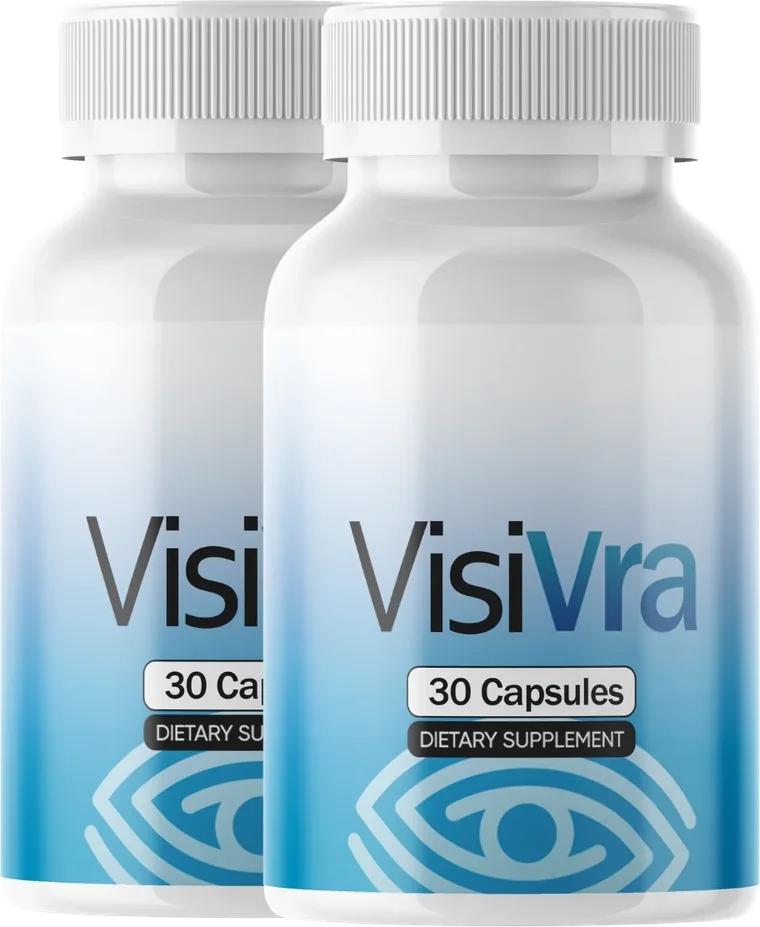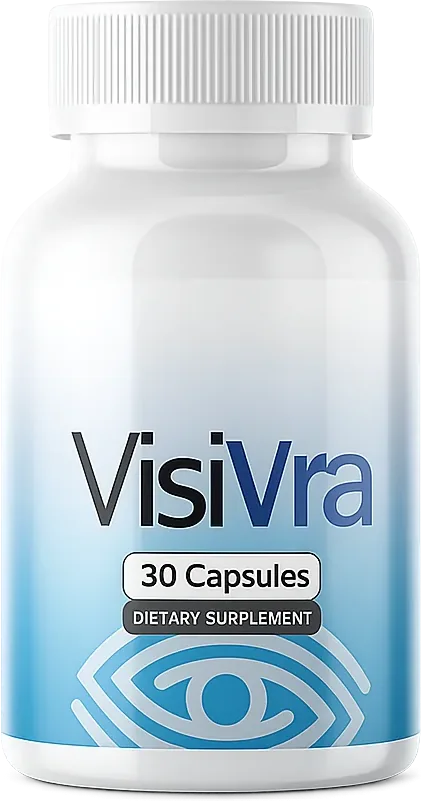
Is Visivra Capsules safe? We cannot confirm that it is safe for you, because the Supplement Facts panel is not visible in any photo we hold and no ingredient amounts are printed in anything we have12. Safety for a supplement depends on how much of each ingredient you take, in what form, and what else you take alongside it.
What we can do is set out the known limits and cautions for each listed ingredient, using public health sources, and show you how to check your own bottle against them. The six names, lutein, zeaxanthin, bilberry extract, astaxanthin, zinc and vitamin A, come from the seller's list in the owner's pack, not from a panel on the photos2. If you are pregnant or nursing, under 18, smoke or used to smoke, have a medical condition or take any medicine, take the full panel to your doctor or pharmacist before you start.
Line01Why can no one call Visivra Capsules safe without the panel?
Without amounts, there is nothing to compare against a safe upper level. Every safety limit in nutrition is a number, and the numbers are missing here.
The owner's pack states this plainly: the bottle panel wins, and no one should invent milligrams2. That is the right rule. It also means the safety picture is open until you have the real panel in your hand. Think of it like a food label with the calorie line torn off. You know what is inside, but not how much, and the how much is what decides whether it fits your day.
So the rest of this page is written as conditions. If your panel shows a certain form or amount, here is what the public sources say about it. Our label guide shows where each line should appear.
Line02What are the vitamin A limits for Visivra Capsules users?
For adults 19 and over, the upper limit for preformed vitamin A is 3,000 mcg a day from all sources; for teens 14 to 18 it is 2,800 mcg3. We do not know which form of vitamin A Visivra uses or how much.
The form changes the risk. Preformed vitamin A, such as retinyl acetate or retinyl palmitate on a label, is the kind with an upper limit. Beta-carotene is a carotenoid the body turns into vitamin A3. Each raises its own concern:
- Pregnancy: if you are or might be pregnant, do not take high-dose vitamin A supplements, because high intakes can cause birth defects3.
- Smoking: in people who smoke or used to smoke, high-dose beta-carotene supplements can raise the risk of lung cancer and death3.
- Too much preformed vitamin A: it can cause severe headache, blurred vision, nausea, dizziness, muscle aches and coordination problems3.
If your panel shows preformed vitamin A, add it to what your multivitamin provides. If it shows beta-carotene and you smoke or used to smoke, ask your doctor first. More on the vitamin A page.
Line03Do lutein and zeaxanthin count toward the vitamin A limit?
No. Lutein and zeaxanthin are carotenoids that the body does not convert into vitamin A, so they do not count toward a vitamin A total4.
This clears up a common mix-up. Because lutein, zeaxanthin and beta-carotene are all carotenoids, people sometimes assume they share one limit. They do not. The vitamin A upper limit applies to preformed vitamin A, not to beta-carotene either4. Beta-carotene has its own caution for people who smoke or used to smoke, which is a separate matter from the upper limit.
So when you read a panel, sort the lines into three groups:
- Preformed vitamin A, which counts toward the 3,000 mcg adult limit.
- Beta-carotene, which matters most if you have a smoking history.
- Lutein and zeaxanthin, which sit outside the vitamin A sums.
None of the sources we use sets an upper limit for lutein or zeaxanthin, and we do not invent one. What we can say is that leafy greens such as kale, spinach and Swiss chard are food sources of both5, so your diet already adds some. As with every other line on the panel, the seller's amounts are not printed in anything we hold. Our lutein and zeaxanthin page covers the pair in more depth.
Line04What is the zinc upper limit, and why does copper come into it?
Adults should stay at or below 40 mg of zinc a day from all sources, including food, drinks, supplements and medicines, unless a doctor is overseeing it6. The seller lists zinc, but the amount is not printed.
Most adults need about 8 mg (women) or 11 mg (men) a day6. Going well past the limit for a long time can cause low copper levels, lower immunity and low HDL, the so-called good cholesterol6. Very high doses can also reduce magnesium absorption.
The total is what counts. Zinc lozenges, a daily multivitamin and a second eye formula can each add a share. If your panel lists zinc, write down the amount and add every other source before you decide. Our zinc page walks through the sum.
Line05What about the bilberry and astaxanthin in Visivra Capsules?
Bilberry fruit is considered safe in food amounts, but high doses or long use of bilberry leaf or leaf extract are considered unsafe7. The seller's list says bilberry extract without stating the plant part.
NCCIH also says there is not enough reliable evidence to know whether bilberry helps any health condition, and that anyone taking a medicine should talk with a provider first, because some herbs and medicines interact7. Ask the order desk whether the extract comes from fruit or leaf, and get the answer in writing.
For astaxanthin, a carotenoid also eaten in fish and crustaceans, the European Food Safety Authority concluded that 8 mg a day from supplements, on top of the usual diet, is safe for adults8. Teens 14 to under 18 reach the acceptable daily intake at that level, and younger children go over it. That is one more reason the product is for adults only. See the bilberry and astaxanthin pages for more.
Line06How does stacking Visivra Capsules with other supplements change the risk?
Stacking means taking two or more products that share ingredients, and it is the most common way people pass an upper limit without noticing. Limits count every source together.
| Listed ingredient | Other places it often shows up | What to check on your panel |
|---|---|---|
| Vitamin A | Multivitamins, other eye formulas; retinoid medicines interact | Form (preformed or beta-carotene) and amount |
| Zinc | Multivitamins, zinc lozenges, other eye formulas | Amount, added to every other source |
| Bilberry extract | Other herbal products | Plant part (fruit or leaf) and amount |
| Astaxanthin | Fish and crustaceans, other carotenoid products | Amount compared with the adult level |
| Lutein and zeaxanthin | Eye formulas, leafy greens | Amount, so your pharmacist can see the full total |
A simple habit helps: photograph the panel of every supplement you take and keep the photos in one album. Your pharmacist can add them up in a few minutes.
Line07Who should check with a doctor or pharmacist before Visivra Capsules?
Anyone in the groups below should show the full panel to a doctor or pharmacist first. The product is meant for adults 18 and over, per the owner's pack2.
- People who are pregnant, might be pregnant or are nursing.
- Anyone under 18.
- People who smoke or used to smoke.
- Anyone with a medical condition, long-term or new.
- Anyone who takes a prescription or over-the-counter medicine, or other supplements.
If a supplement and a medicine seem to clash, the medicine stays put unless your prescriber says otherwise. Our medicines page lists the known interactions for each listed ingredient.
Line08When should you stop Visivra Capsules and call someone?
Stop the capsules and get help if you notice signs that match too much of a listed nutrient, or any change in your eyes. Bring the bottle with you.
Eye symptoms go to an eye care professional. The CDC lists decreased vision, eye pain, drainage or redness, and double vision as reasons to see one9. Severe headache, blurred vision, nausea or dizziness can be signs of too much preformed vitamin A, so call your doctor if they appear. For anything severe, seek urgent care.
If you think a supplement caused a problem, you or your health professional can report it to the FDA through MedWatch10. A report helps even when you are not sure of the cause. Our side effects page has more on what to watch for.
Line09How can you check the bottle you actually receive?
Look for the Supplement Facts panel, the directions, the warnings, the maker's name, a lot number and a best-before date. None of these is visible in the photos we hold1.
The owner's pack gives a lot reference, VS-26/VI-919, and a certificate reference, VS-919-26-VI2. We have not seen the bottle base or the certificate, so we cannot say the product was tested. Compare the lot and best-before on your bottle with the order desk at +1 (302) 200-3480. Then follow the directions on your bottle; sales copy mentions one capsule a day with a meal, which we could not confirm on a label. Our bottle check page has a step-by-step list.
The six listed ingredients, amount status and main caution
| Name | Amount | Main caution or reference |
|---|---|---|
| Lutein | Not printed | AREDS2 tested 10 mg with other nutrients in people with AMD |
| Zeaxanthin | Not printed | AREDS2 tested 2 mg; diet sources are leafy greens |
| Bilberry extract | Not printed | Ask first if you take any medicine; leaf extract at high doses is unsafe |
| Astaxanthin | Not printed | EFSA safe level for adults 8 mg a day from supplements |
| Zinc | Not printed | Upper limit 40 mg a day from all sources; too much lowers copper |
| Vitamin A | Not printed, form unknown | Preformed upper limit 3,000 mcg; pregnancy and smokers ask first |
Names from the seller's ingredient list in the owner's pack. No Supplement Facts panel is visible in the bottle photos.
Tool
Daily total checker: add up vitamin A, zinc and astaxanthin
Visivra's amounts are not printed in anything we hold. Once you have its panel, add its amount to what your multivitamin or other products give, and see the total against the public reference levels. Nothing leaves your device.
Enter the amount from your panels. Reference: 3,000 mcg (NIH upper limit for adults 19+).
Enter the amount from your panels. Reference: 40 mg (NIH upper limit for adults).
Enter the amount from your panels. Reference: 8 mg (EFSA safe level for adults).
Upper limits from NIH (vitamin A: preformed only, not beta-carotene; zinc: all sources) and EFSA (astaxanthin, adults). The red line marks the reference level. Under a doctor's care different amounts may apply; never change a prescribed plan on your own.
Tool
Bottle panel checker
When your bottle arrives, or when the order desk sends the panel, tick what you see and what applies to you. You get a short list of notes and questions to take to a pharmacist. Nothing leaves your device.
Your notes
- Tick what your label shows. With nothing ticked, the first note is simple: you have not yet seen the amounts, so ask for the panel before you take a capsule.
These notes repeat cautions from NIH, NCCIH, NEI and CDC sources cited on this site. They are not medical advice and do not replace a pharmacist or an eye exam.
Safety: Visivra is sold for adults. The bottle photos show only the front label; no Supplement Facts panel, amounts or warnings are visible. Read the full panel before use. The seller lists vitamin A and zinc, which have daily upper limits from all sources combined. If you are pregnant or might be, breastfeeding, under 18, smoke or used to smoke, have a medical condition or take any medicine, ask your doctor or pharmacist first. Never change a prescribed medicine on your own. A supplement does not replace an eye exam: sudden vision changes, eye pain, redness, flashes or double vision need an eye care professional.
Frequently asked questions
What does Visivra Capsules safety depend on most?
It depends on the amount and form of each listed ingredient and on what else you take. Those amounts are not printed in anything we hold, so read the panel with your pharmacist.
What are the main Visivra Capsules dangers to know about?
The main concerns come from the listed vitamin A and zinc, which both have upper limits. Pregnancy, smoking history and other supplements raise the stakes.
What should I ask about Visivra Capsules and pregnancy before trying it?
Ask your doctor whether it suits you before taking any. The vitamin A form and amount are unknown to us, and high-dose vitamin A supplements should be avoided if you are or might be pregnant.
Which Visivra Capsules ingredients have an upper limit?
Zinc has an adult upper limit of 40 mg a day and preformed vitamin A one of 3,000 mcg a day, both counting every source. EFSA also sets a safe adult level of 8 mg a day for astaxanthin from supplements.
Where are the Visivra Capsules warnings printed?
Warnings normally sit on the bottle's side or back panel, which is not visible in the photos we hold. Read the warnings on your bottle and ask the order desk for a copy if they are missing.