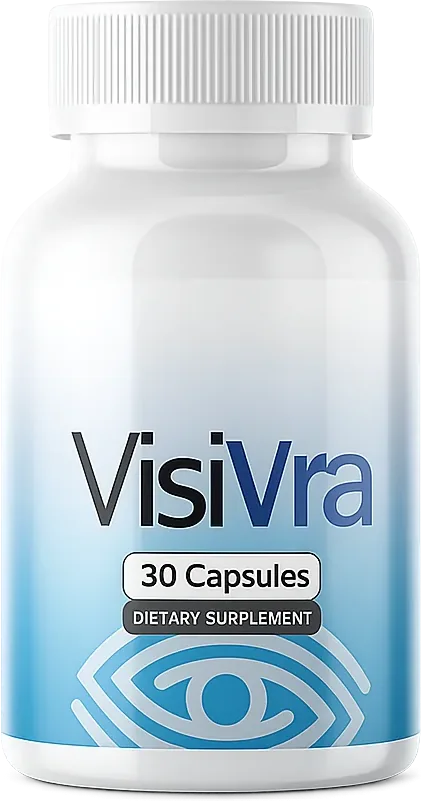
Visivra Capsules and medications can mix in ways that matter, because three of the listed ingredients, vitamin A, zinc and bilberry extract, have known or possible interactions in public health sources1. We cannot tell you how strong any interaction would be, because the amounts are not printed in anything we hold.
This page goes through each listed ingredient and the medicine types public sources name, covers medicines that are not on those lists, and ends with a checklist you can hand to your pharmacist. One rule runs through all of it: never change, skip or stop a medicine on your own to make room for a supplement. Your doctor or pharmacist decides that with you.
Line01Can Visivra Capsules interact with medicines?
Yes, it is possible. Supplements can change how medicines work, which is why NCCIH advises telling all your providers what you take2.
NIH makes a similar point: supplements can have strong effects in the body and can interact with medicines3. A capsule that looks small and harmless is still a set of active ingredients. For this product, the seller's list names lutein, zeaxanthin, bilberry extract, astaxanthin, zinc and vitamin A1. Those names come from the owner's pack, not from a panel on the photos, and no amounts are given.
Without amounts, a pharmacist cannot judge how big an interaction might be. That is the main gap. The sections below tell you which pairings to raise, so the conversation starts in the right place. For the wider safety picture, see our Visivra Capsules safety page.
Line02Does the vitamin A in Visivra Capsules matter with acne or psoriasis medicines?
It may. NIH warns that some medicines, for example retinoid medicines for acne or psoriasis, taken with vitamin A supplements can cause dangerously high vitamin A levels4.
Retinoids are medicines related to vitamin A. Taking them alongside extra vitamin A stacks the two together. We do not know which form of vitamin A Visivra uses or how much, so we cannot say how much it would add. If you take or plan to take a retinoid, tell the prescriber about this supplement before you start it, and show them the full panel.
This also applies to retinoids prescribed for other skin conditions. If you are unsure whether a cream or pill you use is a retinoid, your pharmacist can check the label in a moment. More detail on forms and limits is on our vitamin A page.
Line03Which medicines does zinc interact with?
NIH names some antibiotics (quinolones and tetracyclines), penicillamine and thiazide diuretics as medicines that can interact with zinc5. The seller lists zinc, with no amount printed.
- Quinolone and tetracycline antibiotics: these are common antibiotic families. If a doctor prescribes one while you take a zinc-containing supplement, mention the supplement at the time.
- Penicillamine: a prescription medicine. Ask your prescriber before adding zinc.
- Thiazide diuretics: a type of water pill. Ask your doctor or pharmacist whether a zinc supplement fits with yours.
We do not give timing advice, such as how many hours to leave between doses, because that depends on the exact medicine and dose. Your pharmacist can tell you. The zinc page also explains the 40 mg daily upper limit from all sources5.
Line04Why does bilberry extract call for a question first?
Because NCCIH advises anyone taking a medicine to talk with a provider before using bilberry, since some herbs and medicines interact6. It does not limit that advice to certain medicines.
That makes bilberry the broadest flag on this product. If you take any prescription or over-the-counter medicine, the bilberry line alone is reason to ask first. NCCIH also notes there is not enough reliable evidence to say whether bilberry helps any health condition6, so there is no clear upside to weigh against the question. Our bilberry page covers the fruit and leaf difference.
Line05What if your medicine is not named on this page?
Then you still need to ask. A medicine missing from this page only means the sources we use do not name it, not that it is safe to combine.
Blood thinners are a good example. People often ask about them, and the sources we rely on do not describe a specific interaction between any listed ingredient and blood thinners. That is a gap in our sources, not a green light. Because bilberry calls for a question with any medicine6, and because supplements in general can change how medicines work2, the only safe step is to ask your prescriber or pharmacist before starting.
The same goes for medicines for diabetes, the heart, seizures, mood, thyroid or anything else you take regularly. Bring the list. Let the professional decide.
Line06Do over-the-counter products and other supplements count too?
Yes. Over-the-counter products and other supplements count as much as prescriptions, because nutrient limits add up every source you take in a day.
Zinc is the clearest case. NIH sets the adult upper limit at 40 mg a day from all sources, and it names medicines as one of those sources, along with food, drinks and supplements5. Zinc lozenges bought for a sore throat, a daily multivitamin and a second eye formula can each add a share without anyone noticing. Vitamin A works the same way: the 3,000 mcg adult upper limit for preformed vitamin A also counts every source4.
Here are some everyday examples worth raising at the pharmacy counter:
- A multivitamin you have taken for years and no longer think of as a supplement.
- Zinc lozenges kept in a desk drawer or a coat pocket.
- Another eye product that also lists zinc or vitamin A.
- A skin product your dermatologist prescribed, which may be a retinoid.
- Herbal teas or blends, which your pharmacist may want to know about alongside the bilberry.
Because the amounts for this product are not printed in anything we hold, none of these totals can be worked out on this page. Ask the order desk for the panel, then let your pharmacist add the numbers. Our label guide shows which lines carry the amounts, and our customer support page explains how to request the panel in writing.
If you are pregnant or might be, nursing, under 18, or smoke or used to smoke, raise that at the same visit. The vitamin A form matters for each of those groups, and it is one more reason the full panel is the starting point for any decision.
Line07Visivra Capsules medicine interactions at a glance
The table lists each listed ingredient beside the medicine types public sources name. It is a prompt for a conversation with your pharmacist, not a full list.
| Listed ingredient | Medicines named in public sources | What to do |
|---|---|---|
| Vitamin A | Retinoid medicines for acne or psoriasis (NIH) | Tell the prescriber; show the panel |
| Zinc | Quinolone and tetracycline antibiotics, penicillamine, thiazide diuretics (NIH) | Ask the pharmacist before starting |
| Bilberry extract | Any medicine: ask first (NCCIH) | Ask your provider before starting |
| Astaxanthin | None named in our sources | Still list it for your pharmacist |
| Lutein, zeaxanthin | None named in our sources | Still list them for your pharmacist |
A blank in the middle column is not a clearance. It just means our sources are silent.
Line08What should you bring to the pharmacist about Visivra Capsules?
Bring the bottle, or a clear photo of the full panel, plus a list of everything else you take. A pharmacist can only check what they can see.
- The Supplement Facts panel, with every amount and form.
- The other ingredients line.
- The directions on the bottle. Sales copy mentions one capsule a day with a meal, which we could not confirm on a label.
- Every prescription medicine, with its dose.
- Every over-the-counter medicine, including creams and lozenges.
- Every other supplement and multivitamin, with their panels.
- Whether you are pregnant, nursing, smoke or used to smoke.
Ask three plain questions: does any of this clash, does the total of any nutrient go past a limit, and should I start at all. Write the answers down.
Line09Why should you never adjust a medicine for Visivra Capsules?
Because a medicine is prescribed for a reason, and changing it can do far more harm than any supplement could do good. That call belongs to your prescriber.
If a pharmacist tells you a pairing is a problem, the usual answer is to skip or delay the supplement, not the medicine. NIH asks you to tell your doctor and pharmacist about every supplement you take4, and NIH also notes that supplements do not replace a varied diet3. Keep your providers in the loop each time you start or stop one. If you have any eye symptom while sorting this out, see an eye care professional. Our side effects page covers what to watch for, and the order desk at +1 (302) 200-3480 can send a copy of the panel if you do not have one1.
Tool
Daily total checker: add up vitamin A, zinc and astaxanthin
Visivra's amounts are not printed in anything we hold. Once you have its panel, add its amount to what your multivitamin or other products give, and see the total against the public reference levels. Nothing leaves your device.
Enter the amount from your panels. Reference: 3,000 mcg (NIH upper limit for adults 19+).
Enter the amount from your panels. Reference: 40 mg (NIH upper limit for adults).
Enter the amount from your panels. Reference: 8 mg (EFSA safe level for adults).
Upper limits from NIH (vitamin A: preformed only, not beta-carotene; zinc: all sources) and EFSA (astaxanthin, adults). The red line marks the reference level. Under a doctor's care different amounts may apply; never change a prescribed plan on your own.
Tool
Bottle panel checker
When your bottle arrives, or when the order desk sends the panel, tick what you see and what applies to you. You get a short list of notes and questions to take to a pharmacist. Nothing leaves your device.
Your notes
- Tick what your label shows. With nothing ticked, the first note is simple: you have not yet seen the amounts, so ask for the panel before you take a capsule.
These notes repeat cautions from NIH, NCCIH, NEI and CDC sources cited on this site. They are not medical advice and do not replace a pharmacist or an eye exam.
Safety: Visivra is sold for adults. The bottle photos show only the front label; no Supplement Facts panel, amounts or warnings are visible. Read the full panel before use. The seller lists vitamin A and zinc, which have daily upper limits from all sources combined. If you are pregnant or might be, breastfeeding, under 18, smoke or used to smoke, have a medical condition or take any medicine, ask your doctor or pharmacist first. Never change a prescribed medicine on your own. A supplement does not replace an eye exam: sudden vision changes, eye pain, redness, flashes or double vision need an eye care professional.
Frequently asked questions
What Visivra Capsules drug interactions should I ask about?
Ask about vitamin A with retinoid medicines, zinc with some antibiotics, penicillamine and thiazide diuretics, and bilberry with any medicine. Bring the full panel so the pharmacist can see the amounts.
Who should I talk to about Visivra Capsules and blood thinners?
Talk to the doctor who prescribes your blood thinner, or your pharmacist, before starting. Our sources are silent on this pairing, which is not a clearance, and you should never adjust the blood thinner yourself.
Should my doctor know about Visivra Capsules if I am prescribed antibiotics?
Yes, mention it when the antibiotic is prescribed. NIH says zinc can interact with quinolone and tetracycline antibiotics, and the seller lists zinc.
Does Visivra Capsules mix with diuretics or water pills?
It may matter if you take a thiazide diuretic, which NIH says can interact with zinc. Ask your doctor or pharmacist before you start.
Should I avoid Visivra Capsules with acne medicine?
Ask your prescriber first if your acne medicine is a retinoid. NIH warns that retinoids with vitamin A supplements can lead to dangerously high vitamin A levels.