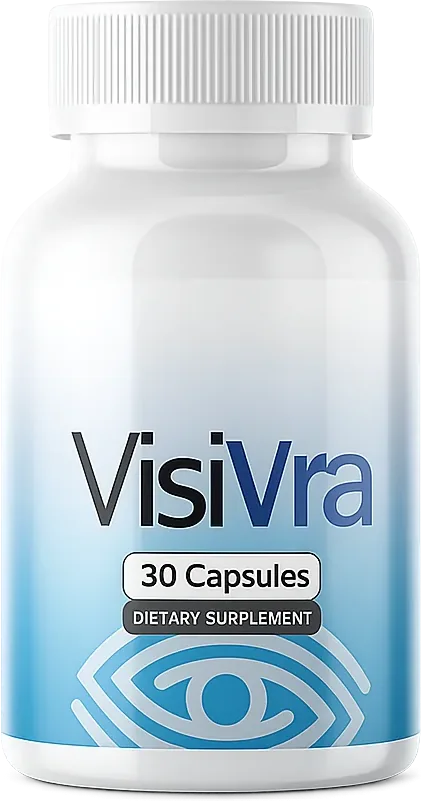
Visivra Capsules astaxanthin for teenagers is a question for a doctor, because the product is meant for adults 18 and over and a European safety review found teens already reach the acceptable daily intake12.
If you are under 18, or you are a parent deciding for a teen, the short answer is to ask a doctor or pharmacist before any supplement. Here is why, and what the review actually said.
Line01What is astaxanthin, and why is it in the conversation?
Astaxanthin is a carotenoid pigment that people also eat in fish and crustaceans, and the seller lists it among Visivra's six ingredient names21.
The six names are lutein, zeaxanthin, bilberry extract, astaxanthin, zinc and vitamin A. They come from the owner's pack, not from a panel on the bottle photos, and no amount is printed in anything we hold1. So we cannot tell you how much astaxanthin a capsule contains, and we will not estimate it.
Our astaxanthin page gives the wider background on the nutrient itself.
Line02What did EFSA find about teenagers and astaxanthin?
EFSA judged 8 mg a day from supplements safe for adults, while teenagers 14 to under 18 reach the acceptable daily intake2.
For younger children, the same review found that the acceptable daily intake is exceeded2. In plain words, the margin shrinks as body size gets smaller. The 8 mg figure is a safety conclusion for adults. It is not the amount in Visivra, which is unknown, and we never compare Visivra to it.
| Age group | EFSA finding |
|---|---|
| Adults | 8 mg a day from supplements judged safe |
| Teens 14 to under 18 | Reach the acceptable daily intake |
| Younger children | Acceptable daily intake exceeded |
Put simply, this review looked at astaxanthin alone as a food supplement. It did not look at Visivra, and it did not look at a product that also contains zinc, vitamin A and other ingredients.
Line03Is Visivra Capsules meant for anyone under 18?
No. Our fact sheet notes the product is aimed at adults 18 and over, so follow the label and ask a doctor first if you are younger1.
We have only seen the front of the bottle. The directions and warnings are not visible in our photos. So the age line is something to confirm on your own panel. If the label gives a different age limit, the label wins.
A teenager is not simply a small adult. There are other ingredients to think about as well:
- Vitamin A: NIH lists a lower upper limit for teens aged 14 to 18 (2,800 mcg a day of preformed vitamin A) than for adults (3,000 mcg)3.
- Zinc: needs and limits change with age, and the adult figures do not carry over.
- Unknown amounts: with no amounts printed, nobody can check a teen's total against a limit.
That last point is the main reason to stop and ask, and it holds for parents as much as for teens. Our who it is for page sets out the adult-only guidance in one place.
Line04What should a parent or teen do instead?
A parent or teen should start with a doctor, a pharmacist and a plain look at diet and screen habits, because a supplement is not needed to begin that conversation.
Consider an example. A 16-year-old spends long evenings on a screen and a parent wonders about a capsule. The American Academy of Ophthalmology advises the 20-20-20 rule: every 20 minutes, look at something 20 feet away for 20 seconds. It also suggests adjusting room lighting and screen contrast4. These habits cost nothing and need no label.
For nutrition, leafy greens such as kale, spinach and Swiss chard are sources of lutein and zeaxanthin. Food comes first, and a doctor can say whether anything more is worth considering.
If a teen has headaches, eye pain, blurred vision or any change in sight, see an eye care professional5. A comprehensive dilated eye exam is described by the NEI as the single best thing you can do for eye health. Our screen time page goes into those habits further.
Line05How can adults check the astaxanthin line on the bottle?
Adults can check the astaxanthin line by reading the Supplement Facts panel, noting the amount and unit, and adding it to anything else they take.
Steps worth following:
- Find the panel and the serving size on the back or side of the bottle.
- Write down the astaxanthin amount per capsule and per serving.
- Check other products for astaxanthin, since several eye-themed supplements share ingredient names.
- If the panel is missing or unclear, call the order desk on +1 (302) 200-3480.
Anyone who is pregnant, nursing, living with a medical condition or taking any medicine should ask a doctor or pharmacist first, and nobody should change or stop a medicine on their own. Our safety page covers the rest. Problems can be reported through FDA MedWatch6.
Safety: Visivra is sold for adults. The bottle photos show only the front label; no Supplement Facts panel, amounts or warnings are visible. Read the full panel before use. The seller lists vitamin A and zinc, which have daily upper limits from all sources combined. If you are pregnant or might be, breastfeeding, under 18, smoke or used to smoke, have a medical condition or take any medicine, ask your doctor or pharmacist first. Never change a prescribed medicine on your own. A supplement does not replace an eye exam: sudden vision changes, eye pain, redness, flashes or double vision need an eye care professional.
Frequently asked questions
Can a teenager take Visivra Capsules with astaxanthin?
Ask a doctor first. The product is aimed at adults 18 and over, and EFSA found teens 14 to under 18 already reach the acceptable daily intake of astaxanthin.
How much astaxanthin is in Visivra Capsules for kids or teens?
No amount is printed in anything we hold, so nobody can say. The bottle panel and the order desk at +1 (302) 200-3480 are the places to ask.
Is the EFSA 8 mg figure the Visivra astaxanthin amount?
No. The 8 mg a day is EFSA's safety conclusion for adults, and Visivra's own amount is unknown.
What should a parent do about Visivra and a teen's eye comfort?
Start with the 20-20-20 screen rule and a visit with a doctor or eye care professional. Do not give a teen an adult supplement without that advice.