Visivra Capsules and blue light glasses are two different kinds of product: one is a dietary supplement you swallow, the other is eyewear you put on your face. They do not stand in for each other, and this post explains why people mix them up.
Sales pages for the capsules talk about screens and blue light. We cannot verify those statements, so we do not repeat them. Below, we stick to what public eye-health sources say and to what the bottle photos show1.
Line01Are Visivra Capsules and blue light glasses the same kind of product?
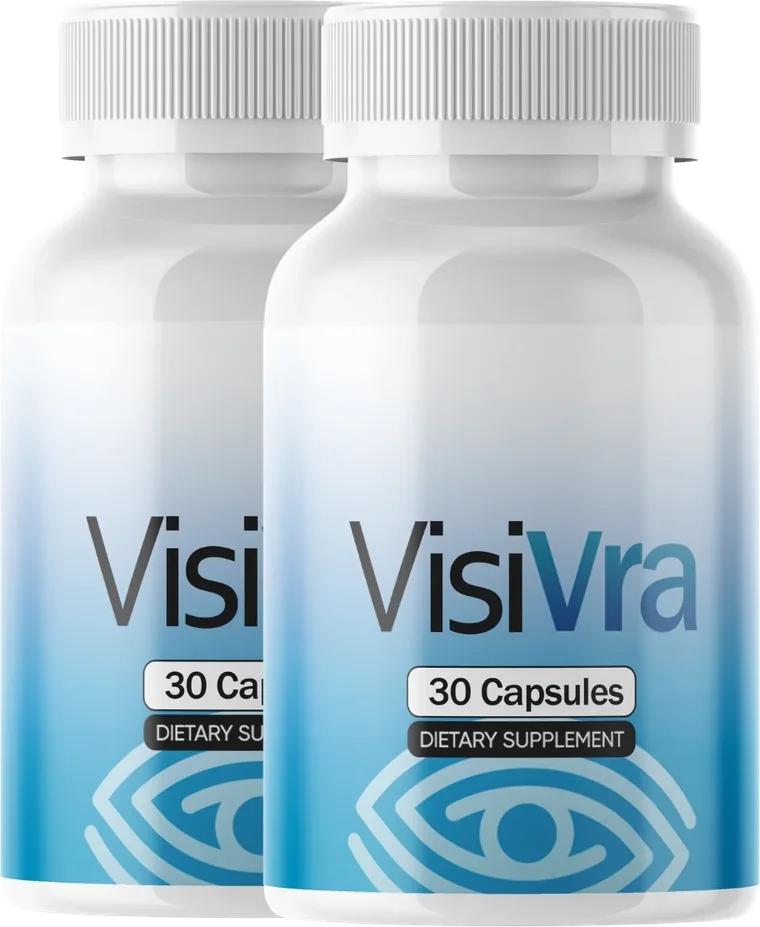
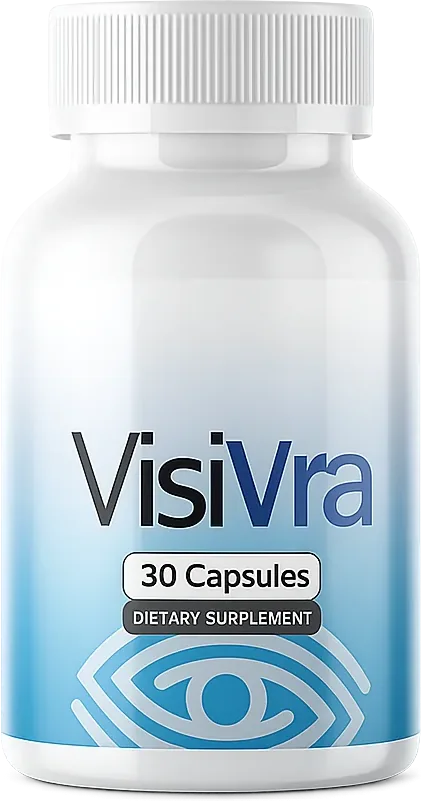
No. Visivra Capsules are a dietary supplement sold in a bottle of 30 capsules, while blue light glasses are eyewear. The bottle photos show the name, the words "DIETARY SUPPLEMENT" and the capsule count, and nothing about lenses or filters1.
A supplement is something you take by mouth. Glasses sit in front of your eyes. Neither one is a version of the other, and a capsule cannot do what a lens does. We do not name any glasses brand here, because this post is about the category, not a product.
The seller lists six ingredient names: lutein, zeaxanthin, bilberry extract, astaxanthin, zinc and vitamin A2. No amounts are printed in anything we hold, so we cannot say how much of any of them a capsule has. Our ingredients page covers each one.
Line02What did the study of blue-light filters find?
The American Academy of Ophthalmology reports that a study found blue-light filters were no more effective for eye-strain symptoms than a neutral filter3. In plain terms, a lens with the blue-light feature did no better than one without it.
That matters for anyone weighing a purchase. If the filter itself made no measurable difference to strain symptoms, it is hard to argue that a capsule needs to fill a gap the glasses were meant to cover. We make no claim either way about the capsules, because we have no study of them.
The same AAO page explains that screen use can cause digital eye strain, mainly because people blink less when they look at a screen3. The cause named is blinking, not a missing nutrient. You can read more on our blue light page.
Line03What does the AAO suggest for tired eyes at a screen?
The AAO suggests habit changes first: look away from the screen on a schedule, adjust the room lighting and tune screen contrast3. These cost nothing and need no product.
- The 20-20-20 rule: every 20 minutes, look at something 20 feet away for 20 seconds3.
- Room lighting: adjust it so the screen is not the brightest thing in view3.
- Contrast: change the screen contrast to a level that feels comfortable3.
None of these is a supplement or a pair of glasses. They are the first things an eye-health group points to, and they are a fair baseline before you spend money on anything. Our screen time page goes deeper on routines.
Line04How do glasses, habits and capsules compare?
They differ in what they are, what evidence we can point to and what we can say about them. The table keeps to sources we hold and marks the gaps.
| Option | What it is | What our sources say |
|---|---|---|
| Blue-light filter lenses | Eyewear | A study found no more effect on eye-strain symptoms than a neutral filter3 |
| Screen habits | Behavior | The AAO lists the 20-20-20 rule, lighting and contrast3 |
| Visivra Capsules | Dietary supplement | No product study held; amounts not printed2 |
| Eye exam | Professional check | NEI calls a dilated exam the single best step for eye health4 |
Reading across the rows, the capsules are the only row where we have nothing to cite on screens at all. That is a gap in the evidence we hold, not a verdict. It also means you should be wary of any page that lines the capsules up next to glasses as if they were rival answers to one question.
If you already wear glasses for reading or distance, keep your prescription current. Whether it still fits your eyes is a question only an eye exam can answer.
Line05When should screen discomfort go to an eye care professional?
See an eye care professional for decreased vision, eye pain, drainage or redness, or double vision, as the CDC advises5. Do not try a supplement, or new glasses, in place of that visit.
Many eye diseases have no early symptoms, which is why NEI calls a comprehensive dilated eye exam the single best thing you can do for eye health4. If screens leave your eyes sore every day, an exam can show whether something else is going on.
If you are pregnant, nursing, under 18, a smoker or a former smoker, or have a medical condition or take any medicine, talk to your doctor or pharmacist before taking any supplement, and bring the full bottle panel. Never change or stop a medicine on your own. Our safety page lists the cautions. If you decide to look at the capsules, the live checkout page is where current details appear.
Safety: Visivra is sold for adults. The bottle photos show only the front label; no Supplement Facts panel, amounts or warnings are visible. Read the full panel before use. The seller lists vitamin A and zinc, which have daily upper limits from all sources combined. If you are pregnant or might be, breastfeeding, under 18, smoke or used to smoke, have a medical condition or take any medicine, ask your doctor or pharmacist first. Never change a prescribed medicine on your own. A supplement does not replace an eye exam: sudden vision changes, eye pain, redness, flashes or double vision need an eye care professional.
Frequently asked questions
Do Visivra Capsules replace blue light glasses?
No. They are a different kind of product, a dietary supplement rather than eyewear, and we have no information that links the two.
Does Visivra Capsules work like a blue-light filter?
We cannot say that, and we have no product study. The AAO notes that a study found blue-light filters were no more effective for eye-strain symptoms than a neutral filter.
What should I do first if screens tire my eyes before trying Visivra Capsules?
Try the AAO habits first: the 20-20-20 rule, better room lighting and adjusted contrast. If symptoms persist, book an eye exam.
Can I wear glasses while taking Visivra Capsules?
Taking a capsule does not stop you from wearing glasses, but ask your doctor or pharmacist about the supplement itself, especially if you take any medicine.