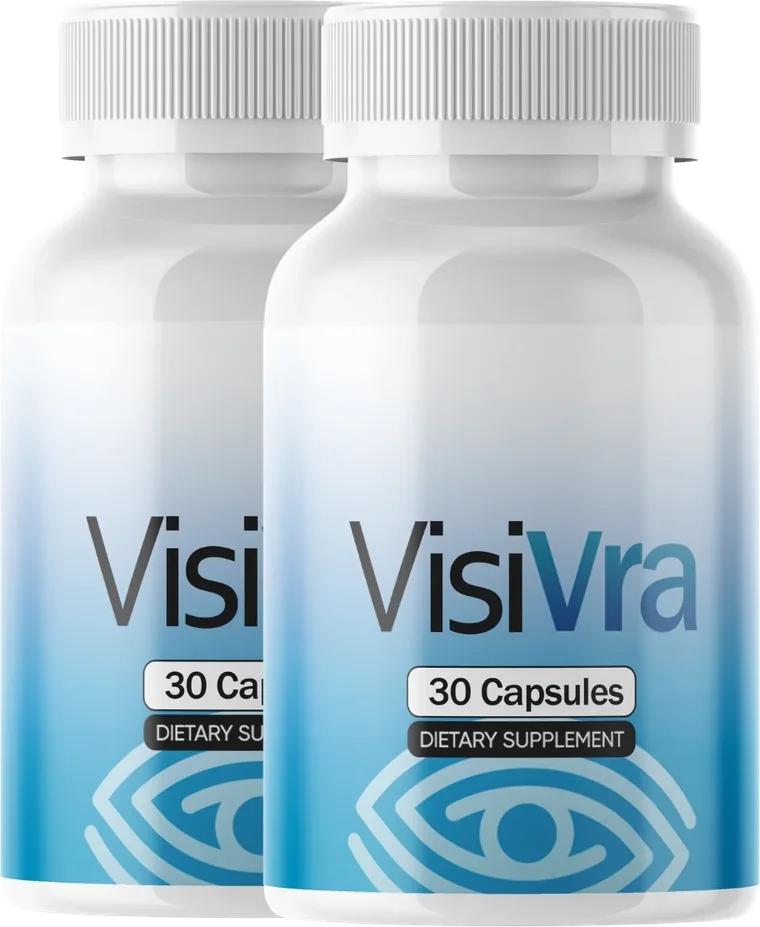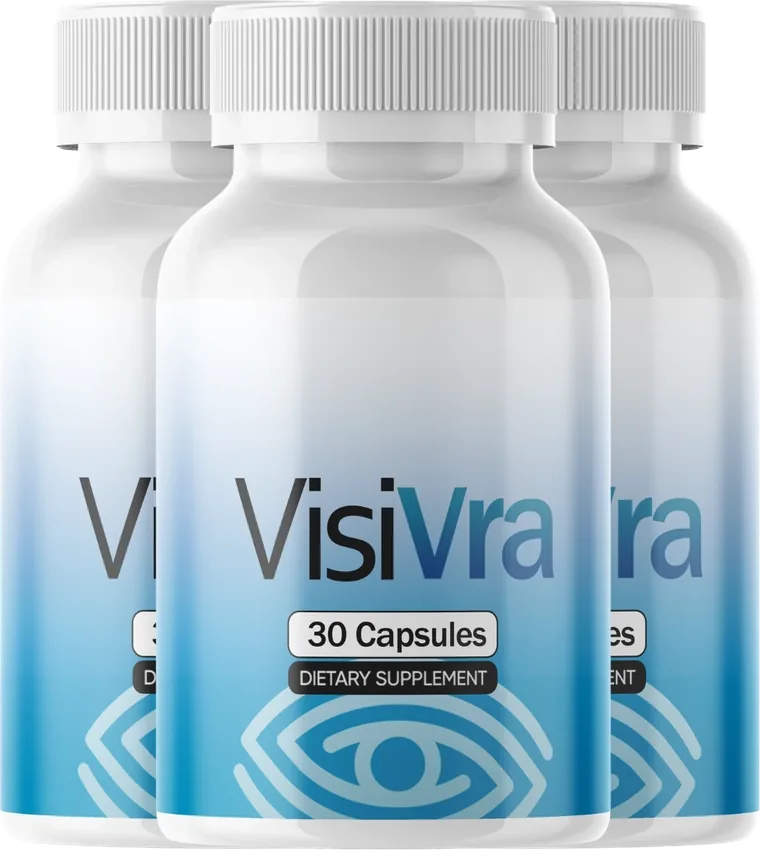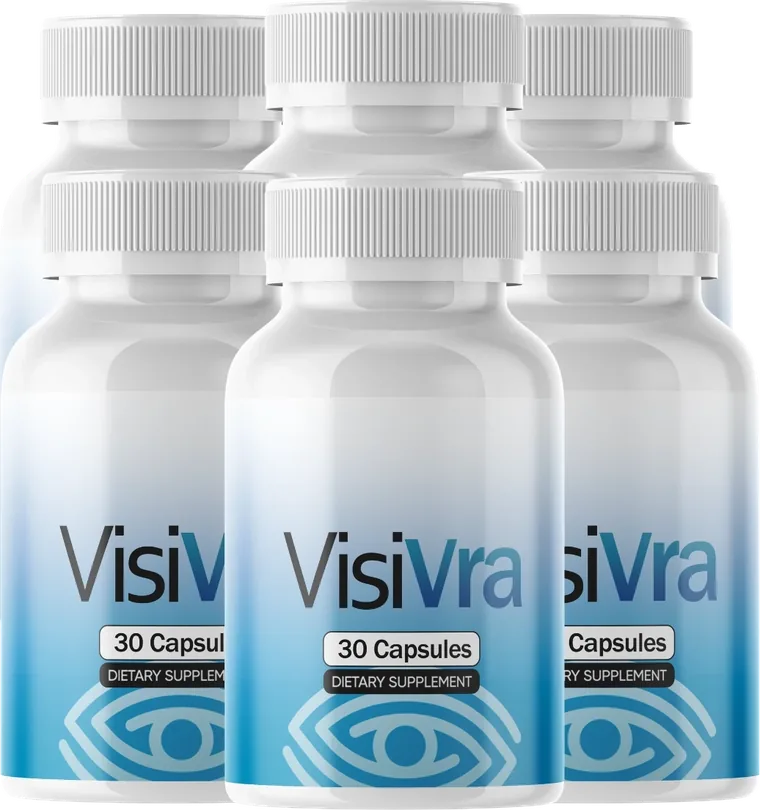
Visivra Capsules for computer users is a topic where the best-sourced advice is about habits, not capsules: we hold no evidence that this product does anything for screen work, and its amounts are unknown.
The American Academy of Ophthalmology gives free steps, such as the 20-20-20 rule. This post puts those into a workday plan, explains why we do not repeat the screen claims made on sales pages, and lists what to check before adding any supplement.
Line01What does the AAO advise for people who use screens a lot?
The AAO advises looking away from the screen on a schedule and adjusting the room and screen, because screen use can cause digital eye strain, mainly through reduced blinking1.
Its main tip is the 20-20-20 rule: every 20 minutes, look at something 20 feet away for 20 seconds1. It also advises adjusting room lighting and screen contrast1.
None of these steps needs a purchase. That is worth saying plainly on a site that earns a commission from order links: if you read only this post and change your screen habits, you have used the best evidence we can offer. Screens are also only one part of a day: a dilated eye exam is a separate matter, and no screen habit stands in for one. The rest of this page covers what a capsule can and cannot be asked to do.
Line02Why don't we repeat the screen claims made for Visivra?
We do not repeat them because sales pages for the product make claims about eyesight and screens that we cannot verify, and the sources we hold do not support them.
The AAO also reports that a study found blue-light filters were no more effective for eye-strain symptoms than a neutral filter1. That is about filters, not capsules, but it shows how easily a tidy screen claim can outrun the evidence.
Makers and sellers write their own claims, and a screen-related line on a page, ours or anyone else's, is not a verdict. Our screen time page and blue light page go through this in more detail.
Line03What does a workday routine look like in practice?
A workday routine is a few small anchors tied to things you already do, so the habits happen without effort. The table shows one way to lay them out.
| When | Habit | Source |
|---|---|---|
| Every 20 minutes | Look 20 feet away for 20 seconds | 1 |
| Start of day | Check room lighting and screen contrast | 1 |
| Through the day | Notice and add blinks | 1 |
| Once a year or as advised | Dilated eye exam | 2 |
Consider a designer who sets a quiet timer on the phone and glances at the far wall of the office when it goes off. It takes under half a minute and costs nothing. How often you need a dilated exam depends on your risk, so ask your eye care professional.
Line04What should you know before adding Visivra Capsules to a screen routine?
Before adding any capsule, know that the seller's list names six ingredients with no amounts printed, and that zinc and vitamin A carry upper limits from all sources.
The list is lutein, zeaxanthin, bilberry extract, astaxanthin, zinc and vitamin A, and it comes from the owner's pack, not from a panel in the photos34. Both zinc and preformed vitamin A have adult upper limits that count every source together5.
On bilberry, the NCCIH says there is not enough reliable evidence to say whether it helps any health condition, and to talk with your provider first if you take any medicine6. See our ingredients guide and the label guide to read your panel.
If you are pregnant, nursing, under 18, a smoker or former smoker, have a medical condition or take any medicine, ask a doctor or pharmacist first, and never change or stop a medicine on your own.
Line05When do screen-related symptoms need an eye exam?
Screen-related symptoms need an eye exam when they last, get worse or arrive with pain, redness, drainage, decreased vision or double vision.
The CDC lists those signs as reasons to see an eye care professional7, and the NEI notes that many eye diseases have no early symptoms2. A person who puts a long-running blur down to screens may miss something an exam would find. Keep a note of when symptoms started and what you were doing, since it helps the professional. Sudden changes, flashes or new double vision should not wait for a habit to take effect.
Our safety overview sets out the full list of who should ask first. Habits worth keeping up:
- Look away on schedule.
- Keep the lighting even.
- Book the exam you have been putting off.
For what this product is and is not, begin at the benefits page. You can report a problem with a supplement through FDA MedWatch8.
Safety: Visivra is sold for adults. The bottle photos show only the front label; no Supplement Facts panel, amounts or warnings are visible. Read the full panel before use. The seller lists vitamin A and zinc, which have daily upper limits from all sources combined. If you are pregnant or might be, breastfeeding, under 18, smoke or used to smoke, have a medical condition or take any medicine, ask your doctor or pharmacist first. Never change a prescribed medicine on your own. A supplement does not replace an eye exam: sudden vision changes, eye pain, redness, flashes or double vision need an eye care professional.
Frequently asked questions
Are Visivra Capsules good for computer users?
We have no evidence that they help screen work and make no such claim. The AAO's habits, such as the 20-20-20 rule, are the better-sourced starting point.
Can Visivra Capsules replace the 20-20-20 rule at my desk?
No. The 20-20-20 rule is a habit the AAO suggests, and no capsule replaces it. Look 20 feet away for 20 seconds every 20 minutes.
Do Visivra Capsules cut down glare from my monitor?
No, we make no such claim about screens at all. The AAO says a study found blue-light filters were no more effective for eye-strain symptoms than a neutral filter.
Who should ask a pharmacist before using Visivra Capsules with long screen hours?
Anyone who is pregnant, nursing, under 18, a smoker or former smoker, or who has a medical condition or takes any medicine. Bring the full bottle panel.