Visivra Capsules for floaters is a search we cannot answer with a yes: no source we hold links the capsules to floaters, and we have no study of the product. Floaters are a reason to talk to an eye care professional, not to shop.
This post stays with what public health sources say about sudden eye changes, what a visit involves, and how to read a supplement bottle before you add one to your routine. It names floaters only as a topic. It makes no claim about what the capsules do.
Line01Do Visivra Capsules have anything to do with floaters?
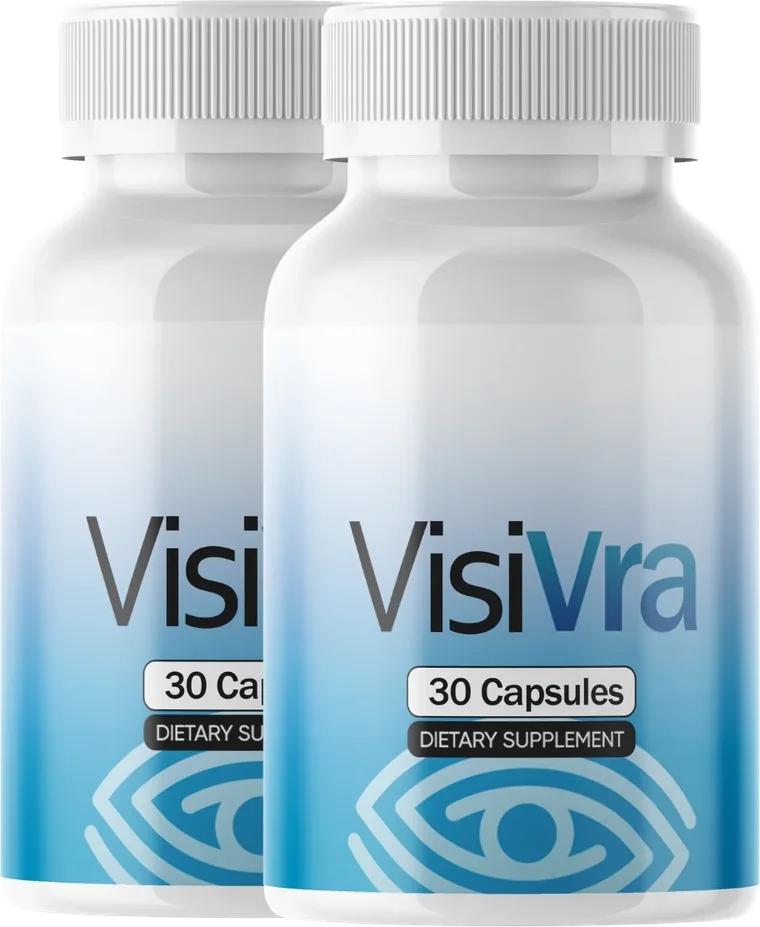
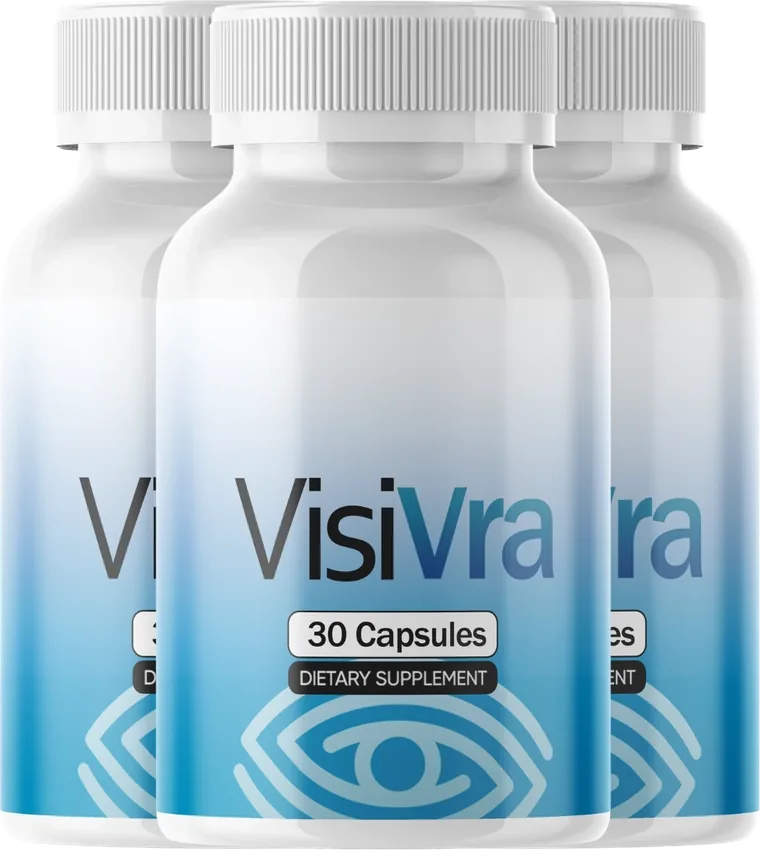
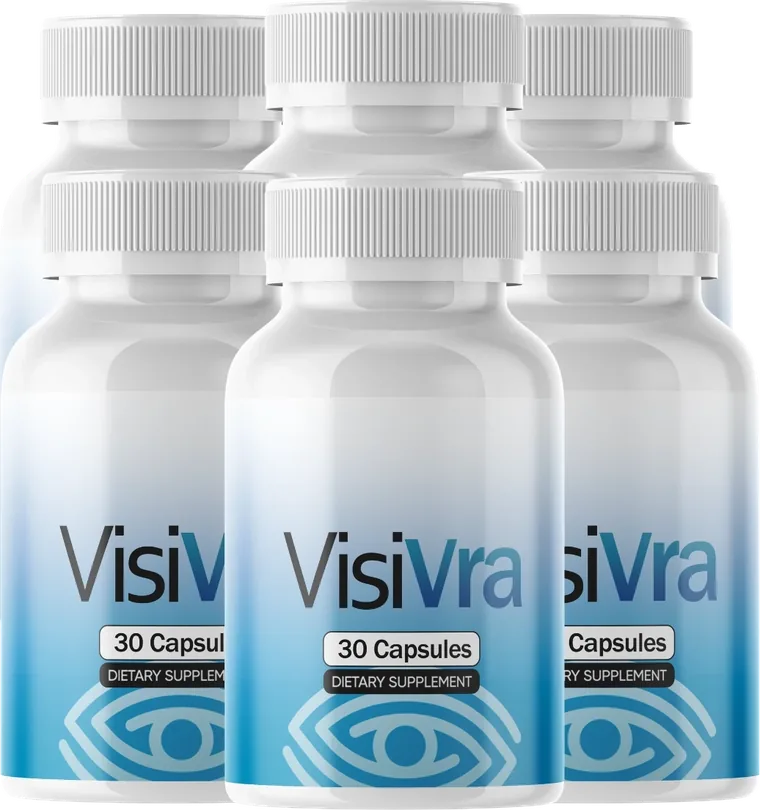
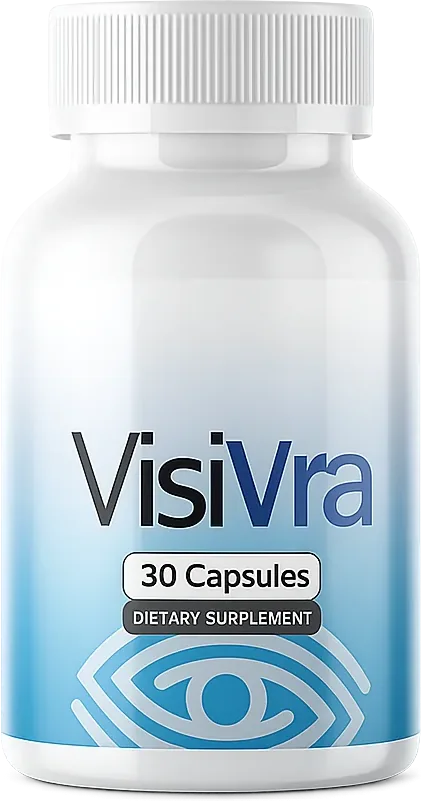
Nothing in the materials we hold connects Visivra Capsules to floaters. The bottle photos show a name, the words "DIETARY SUPPLEMENT" and 30 capsules, and no directions or warnings1.
The seller lists six ingredient names: lutein, zeaxanthin, bilberry extract, astaxanthin, zinc and vitamin A, with no amounts printed2. Even a long ingredient list does not tell you what a product will do for a particular eye complaint, and we say nothing about that.
On the bilberry name, NCCIH notes that it is promoted for eye conditions but that there is not enough reliable evidence to say whether it helps any health condition3. Our bilberry page has the full detail. The short version is that promotion is not proof.
Line02When should floaters or sudden eye changes get a check?
Right away, if they come with decreased vision, flashes or other sudden changes. The CDC says to see an eye care professional for decreased vision, eye pain, drainage or redness, or double vision4.
We cannot tell you whether the specks you see are harmless. Only an examiner can. A new floater, a shower of them, flashes of light or a shadow in your side vision are all things to describe to a professional the same day or as soon as you can, instead of waiting to see whether a supplement makes a difference.
This is the same advice we give on every eye page of this site: a symptom goes to a professional first, and a supplement, if you want one at all, comes after that conversation. Our safety page repeats it with the other cautions that go with a supplement.
Line03Why does a dilated eye exam matter here?
A dilated eye exam lets a professional check the inside of the eye, which you cannot do yourself. NEI calls it the only way to check for many eye diseases early5.
How often you need an exam depends on your risk; for example, NEI gives every 1 to 2 years if you are over 605. People with diabetes usually need one every year, the CDC says4.
If you have not had an exam lately, that visit is a better use of time than any bottle. It also gives you a trusted person to ask about supplements, which is the safest way to decide whether one fits you.
Plan the day around it, too. Ask the office when you book what to expect from a dilated exam, and whether you should arrange a ride home. Those details vary, and the staff can tell you. Write your questions down beforehand, including any about supplements, so nothing is forgotten once you are in the chair.
Line04What action fits which situation?
The table pairs common situations with a next step drawn from public sources. It is not a diagnosis and it does not replace the advice of your own professional.
| Situation | Next step | Source |
|---|---|---|
| Decreased vision, eye pain, redness or double vision | See an eye care professional | 4 |
| New floaters or flashes | Call an eye care professional soon | Our safety guidance |
| No symptoms, no recent exam | Ask about a dilated exam | 5 |
| Wondering about a supplement | Ask a doctor or pharmacist | 6 |
The FDA says to talk to a doctor, pharmacist or other health professional before buying or using a supplement6. That applies to this one too.
Line05What should you bring to the appointment?
Bring a short list of what you see, when it began, and everything you take. A clear list makes the visit faster and the answers more useful.
- A description of the change: spots, threads, flashes, or a shadow, and whether it is in one eye or both.
- Every medicine and supplement you take, including doses.
- The full bottle, or the Supplement Facts panel, if you are considering Visivra Capsules. The panel is not visible in our photos, so only the bottle can show amounts1.
- Any other eye conditions or surgeries you know about.
Supplements can change how some medicines work, so tell every provider what you take. Never change or stop a medicine on your own. If you are pregnant, nursing, under 18 or a smoker, say so before any supplement is discussed. Our who it is for page explains who should ask first, and the live checkout page shows current pack details.
Safety: Visivra is sold for adults. The bottle photos show only the front label; no Supplement Facts panel, amounts or warnings are visible. Read the full panel before use. The seller lists vitamin A and zinc, which have daily upper limits from all sources combined. If you are pregnant or might be, breastfeeding, under 18, smoke or used to smoke, have a medical condition or take any medicine, ask your doctor or pharmacist first. Never change a prescribed medicine on your own. A supplement does not replace an eye exam: sudden vision changes, eye pain, redness, flashes or double vision need an eye care professional.
Frequently asked questions
Can Visivra Capsules reduce floaters?
We cannot say that, and no source we hold links the product to floaters. Describe new floaters to an eye care professional.
Should I take Visivra Capsules while waiting for floaters to settle?
No source supports waiting. The CDC says to see an eye care professional for decreased vision or other sudden changes, so get checked first.
Does bilberry in Visivra Capsules matter for floaters?
NCCIH says there is not enough reliable evidence to say whether bilberry helps any health condition. Ask your doctor first if you take any medicine.
What should I ask my doctor about Visivra Capsules and my eyes?
Ask whether a supplement fits your health and medicines, and bring the bottle panel so the amounts can be read. Also ask when your next dilated exam is due.