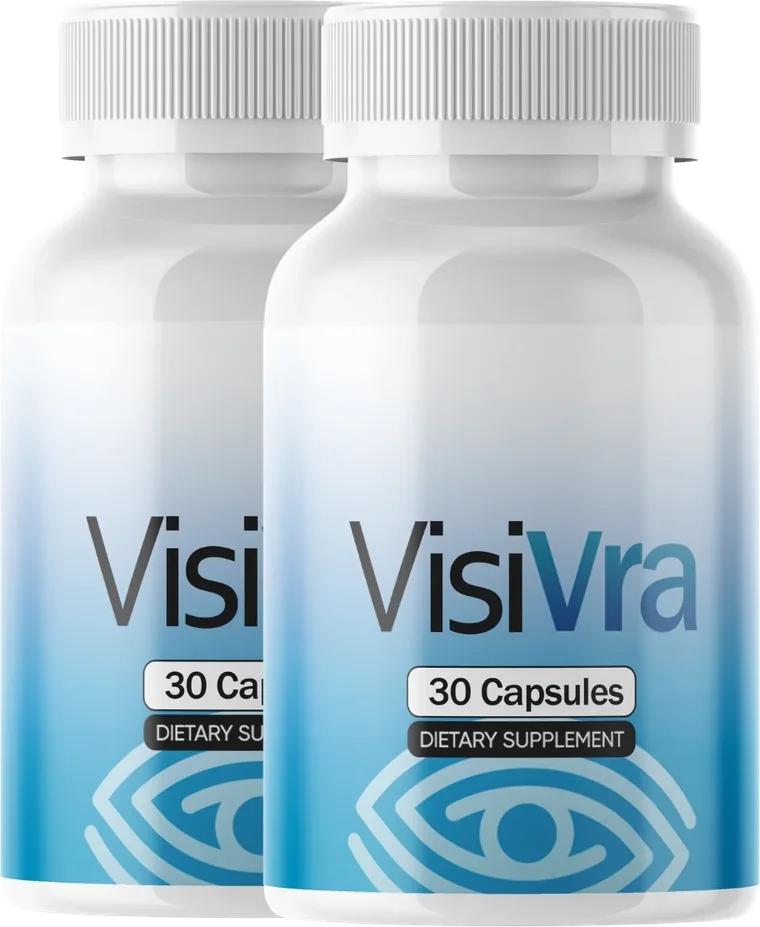
Visivra Capsules for macular degeneration is a question we cannot answer with a yes: we hold no evidence that this product does anything for age-related macular degeneration (AMD), and its amounts are not printed.
AMD is a topic with real public research behind it, and that research is about specific formulas and about eye exams, not about this capsule. This post sets out what the National Eye Institute says, and what to do if AMD is a worry for you or someone you know.
Line01What does the NEI say about macular degeneration research?
The NEI says its AREDS and AREDS2 studies tested specific supplement formulas in people at risk of advanced age-related macular degeneration, and reported a lower chance of progression with those formulas1.
In detail, the AREDS2 formula was vitamin C 500 mg, vitamin E 400 IU, zinc 80 mg, copper 2 mg, lutein 10 mg and zeaxanthin 2 mg, and it lowered the risk of progression from intermediate to advanced AMD by about 25 percent1. It did not stop AMD from starting, and it had no effect on cataract1.
None of this describes Visivra. The seller's ingredient list names six items, among them lutein, zeaxanthin and zinc, but with no amounts printed in anything we hold2. We explain the gap in our results page.
Line02Why can't we say Visivra Capsules helps with AMD?
We cannot say it because no study of this product is in our hands, its amounts are unknown, and the FDA does not approve supplements or their label claims34.
Sales pages for the product make claims about eyesight that we cannot verify, and we do not repeat them. The seller's pack also contains three testimonials, supplied by the seller and not verified by us; none describes an eyesight result2. Testimonials are not evidence about a condition.
The FTC has a rule on fake reviews and testimonials5, which is another reason to read seller-supplied praise with care. What would change our view is a published study of this exact product, and we have not seen one. Until then, the honest position is that this product is outside what the AMD studies tested.
Line03What should you do first if AMD is a concern?
The first step is a comprehensive dilated eye exam with an eye care professional, which the NEI calls the single best thing you can do for eye health6.
The NEI adds that many eye diseases have no early symptoms, and that a dilated exam is the only way to check for many of them early67. How often you need one depends on risk; for example, every 1 to 2 years if you are over 607.
A supplement cannot stand in for that exam. If you have noticed a change in your sight, such as decreased vision, eye pain, redness, drainage or double vision, the CDC says to see an eye care professional8. Do not wait for a bottle to arrive first.
A short list for the appointment:
- Say if AMD runs in your family.
- Name every supplement you take, with its panel.
- Ask how often you should come back for a dilated exam.
Line04What is the difference between a study formula and a capsule?
A study formula is a defined mixture used in a trial, while a capsule on sale is whatever its maker chose to put in it. The table shows what we know in each case.
| Question | AREDS2 study formula | Visivra Capsules |
|---|---|---|
| Who took it | People at risk of advanced AMD1 | Adults 18 and over, per the label |
| Amounts | Published by the NEI1 | Not printed in anything we hold2 |
| Results | Reported by the NEI1 | No study of this product known |
| Smokers | Beta-carotene formula not recommended9 | Vitamin A form unknown |
The NEI also says the formulas do not replace a multivitamin, and that you should talk to your doctor or eye care professional about which supplement, if any, is right for you9. Our compare page goes further.
Line05What can food and habits do alongside an eye exam?
Food and habits are the everyday side of eye health, and public sources link certain foods to lower AMD and cataract risk, though they never replace an exam.
The AAO says foods rich in vitamins C and E, zinc, lutein, zeaxanthin and omega-3 fatty acids have been linked to lower risks of AMD and cataract, and that lutein and zeaxanthin are in leafy greens such as kale, spinach and Swiss chard10. The NEI also notes that healthy habits lower the risk of conditions such as diabetes and high blood pressure that can harm the eyes6.
If you do decide to ask about a supplement, bring the full panel to your doctor or pharmacist. This is especially true if you are pregnant, nursing, under 18, a smoker or former smoker, or take any medicine, because zinc and vitamin A both have upper limits from all sources. Never change or stop a medicine on your own. See our safety overview and who it is for page.
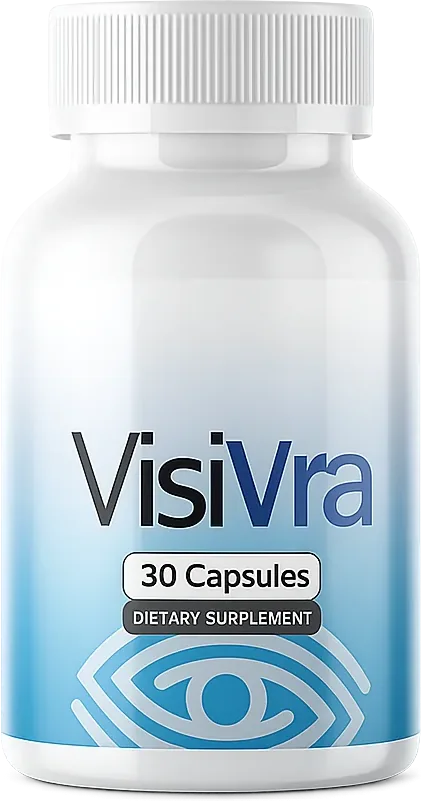
Safety: Visivra is sold for adults. The bottle photos show only the front label; no Supplement Facts panel, amounts or warnings are visible. Read the full panel before use. The seller lists vitamin A and zinc, which have daily upper limits from all sources combined. If you are pregnant or might be, breastfeeding, under 18, smoke or used to smoke, have a medical condition or take any medicine, ask your doctor or pharmacist first. Never change a prescribed medicine on your own. A supplement does not replace an eye exam: sudden vision changes, eye pain, redness, flashes or double vision need an eye care professional.
Frequently asked questions
Does Visivra Capsules help with macular degeneration?
We have no evidence that it does, and we make no such claim. The NEI studies of AMD tested specific formulas, not this product.
Can I use Visivra Capsules instead of a dilated eye exam for AMD?
No. The NEI calls a dilated eye exam the single best thing you can do for eye health, and no supplement replaces it.
Is Visivra Capsules an AREDS2 formula for macular degeneration?
No. The AREDS2 formula has published amounts, while Visivra's seller list shows no amounts and names different ingredients.
Who should I ask about Visivra Capsules if I already have macular degeneration?
Your eye care professional, plus your doctor or pharmacist if you take any medicine. Do not change or stop any medicine on your own.