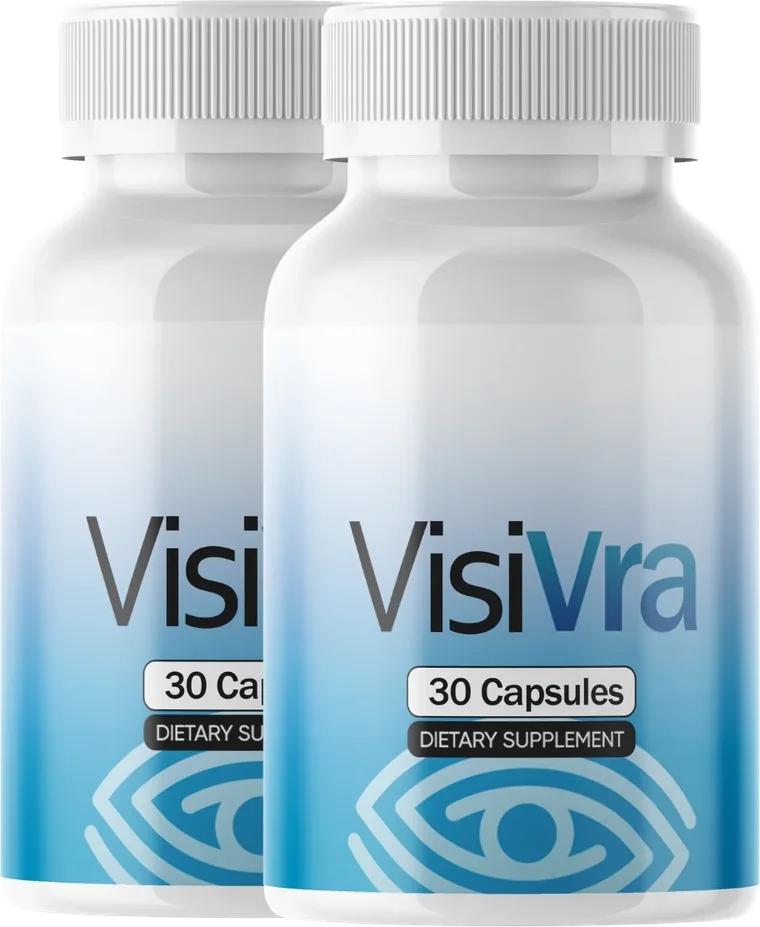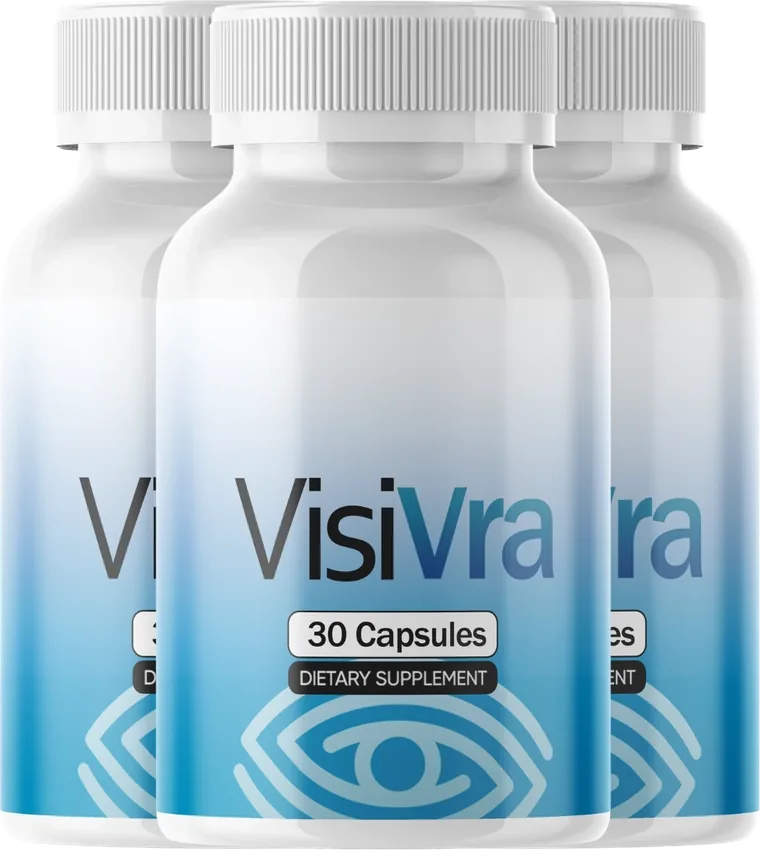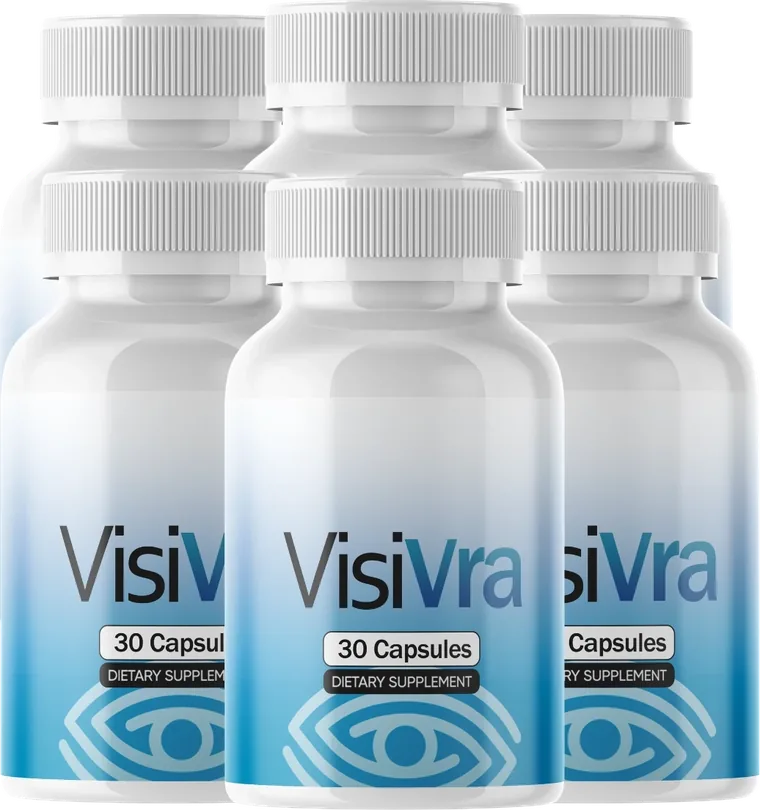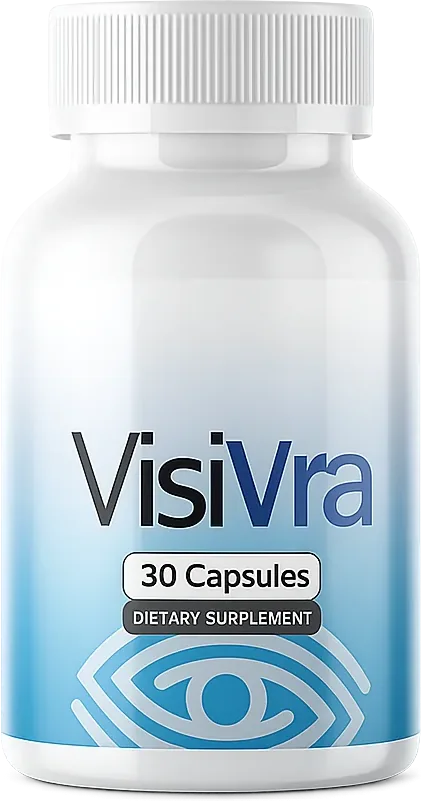
The Visivra Capsules lutein dose is unknown: the seller names lutein as an ingredient, but no amount is printed in any material we hold1. We will not guess a number, and we will not borrow one from a study.
This post separates three things that often get blurred: what lutein is, what a famous study tested, and what is actually on your bottle. It also shows how to find the real figure yourself and who to ask if the panel confuses you.
Line01What is the Visivra Capsules lutein dose?
It is not known. The owner's pack lists lutein among six ingredient names and says the bottle panel decides, with no milligrams to be invented1.
The bottle photos we hold show only the front label: the name, "30 Capsules" and the words "DIETARY SUPPLEMENT"2. They show no Supplement Facts panel, no directions and no warnings. So the amount of lutein, the form it comes in and the serving size are all missing from our files.
Sales copy mentions one capsule a day with a meal, but we could not confirm that on a label, so follow the directions printed on your own bottle. If a page quotes a lutein figure for the capsules, ask where it came from and whether the writer has seen the bottle panel. Our lutein and zeaxanthin page explains the nutrient itself.
Line02What is lutein, according to public sources?
Lutein is a carotenoid, a plant pigment also found in food. NIH says lutein and zeaxanthin are carotenoids that the body does not convert into vitamin A3.
That detail separates lutein from the vitamin A on the seller's list, which has its own safety rules. The AAO says lutein and zeaxanthin are in leafy greens such as kale, spinach and Swiss chard4.
Those are statements about food and diet patterns. They are not statements about a capsule, and they do not tell you how much lutein you need. We hold no safe-intake figure for lutein, so ask your pharmacist if you want one.
Because lutein is not vitamin A, the vitamin A cautions on our vitamin A page are a separate matter. The two names sit on the same seller list, but each one needs its own look at the panel. Our ingredients page takes all six names in turn.
Line03What amount did the AREDS2 study use?
The AREDS2 formula used 10 mg of lutein and 2 mg of zeaxanthin, along with vitamin C, vitamin E, zinc and copper5. This is a study fact only, and it says nothing about Visivra.
That study tested people at risk of advanced AMD. The NIH reported that replacing beta-carotene with lutein and zeaxanthin removed a lung-cancer risk seen with beta-carotene and was more effective at lowering AMD progression6.
Do not read the study amount as a target for a capsule on a shelf. Visivra's amount is not printed, so we cannot compare the two, and no one else should either. The study also had a defined group, a defined formula and medical follow-up, none of which comes with a bottle you buy on your own.
Line04What is known and unknown about lutein in the capsules?
The table sets the facts we hold beside the gaps. Anything in the right-hand column needs the bottle panel.
| Question | What we hold | Where to find out |
|---|---|---|
| Is lutein listed? | Yes, on the seller's list1 | Panel on your bottle |
| How much per capsule? | Not printed anywhere we hold | Panel, or order desk |
| What form? | Unknown | Panel, or order desk |
| Is it vitamin A? | No; lutein is not converted to it3 | NIH fact sheet |
| Does the study amount apply? | No5 | Ask your doctor |
Every unknown in that table has the same fix: read the label that arrives with your bottle, and call +1 (302) 200-3480 if the panel is missing or unclear.
Line05How do you check the panel and who do you ask?
Read the Supplement Facts panel first, then compare the amounts with everything else you take. If anything is unclear, ask a doctor or pharmacist, as the FDA advises before using a supplement7.
- Find the lutein line and note the amount and the form.
- Check the serving size and how many capsules it says to take.
- Look at the "other ingredients" list, which names fillers, binders and preservatives7.
- Add up zinc and vitamin A from all your products, since limits apply to the total.
If you are pregnant, nursing, under 18, a smoker or a former smoker, or have a medical condition or take any medicine, ask a doctor or pharmacist first, and never change or stop a medicine on your own. Any change in your vision needs an eye care professional. Our label guide walks through a panel line by line, and the live checkout page shows current pack details.
Safety: Visivra is sold for adults. The bottle photos show only the front label; no Supplement Facts panel, amounts or warnings are visible. Read the full panel before use. The seller lists vitamin A and zinc, which have daily upper limits from all sources combined. If you are pregnant or might be, breastfeeding, under 18, smoke or used to smoke, have a medical condition or take any medicine, ask your doctor or pharmacist first. Never change a prescribed medicine on your own. A supplement does not replace an eye exam: sudden vision changes, eye pain, redness, flashes or double vision need an eye care professional.
Frequently asked questions
What is the lutein amount in each Visivra Capsules capsule?
It is not printed in anything we hold, so we cannot say. Read the Supplement Facts panel on your bottle or call the order desk at +1 (302) 200-3480.
Is the Visivra Capsules lutein dose the same as the AREDS2 study?
We cannot say, because Visivra's amount is unknown. The AREDS2 study used its own formula in people with AMD, and its results do not apply to the capsules.
Should I count lutein as part of my vitamin A total with Visivra Capsules?
No. NIH says lutein and zeaxanthin are carotenoids the body does not convert into vitamin A. The seller lists vitamin A as a separate ingredient.
Can I get lutein from food instead of Visivra Capsules?
Yes, lutein is in leafy greens such as kale, spinach and Swiss chard, the AAO says. Ask your doctor whether a supplement adds anything for you.