Visivra Capsules and night driving are linked only by sales talk: no source we hold says the capsules change how you see on a dark road. If seeing after dark has become harder, the right step is an eye care professional, not a bottle.
This post explains what NIH says about trouble seeing in low light, why one listed ingredient, vitamin A, comes up in that conversation, and what we cannot know about the capsules. We make no promise about driving or any other task.
Line01Do Visivra Capsules have any link to night driving?
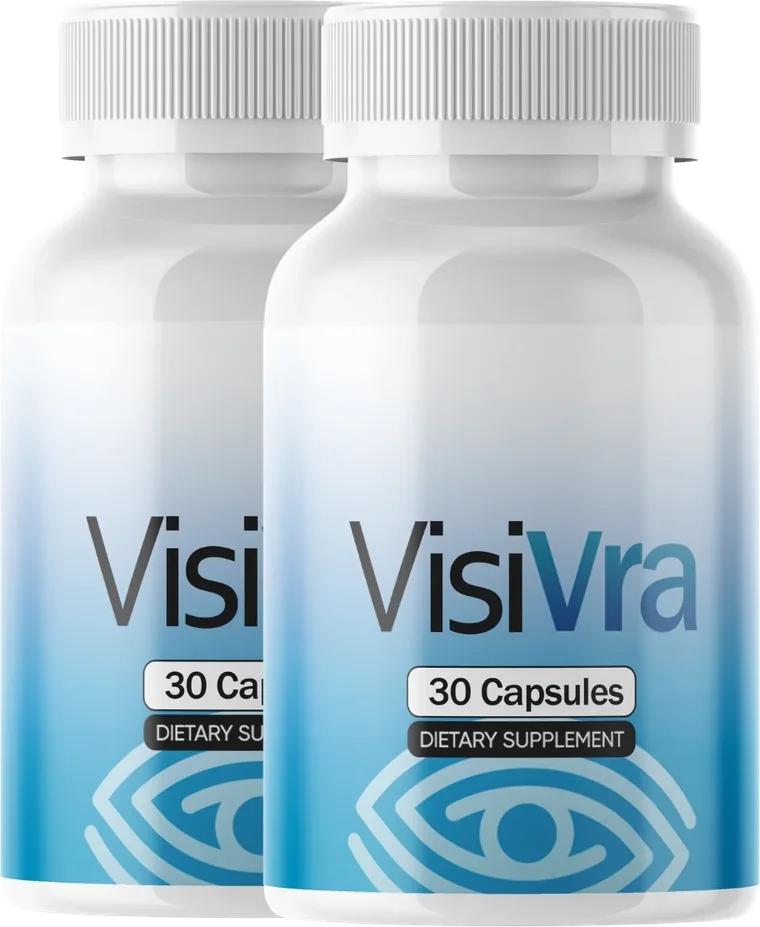
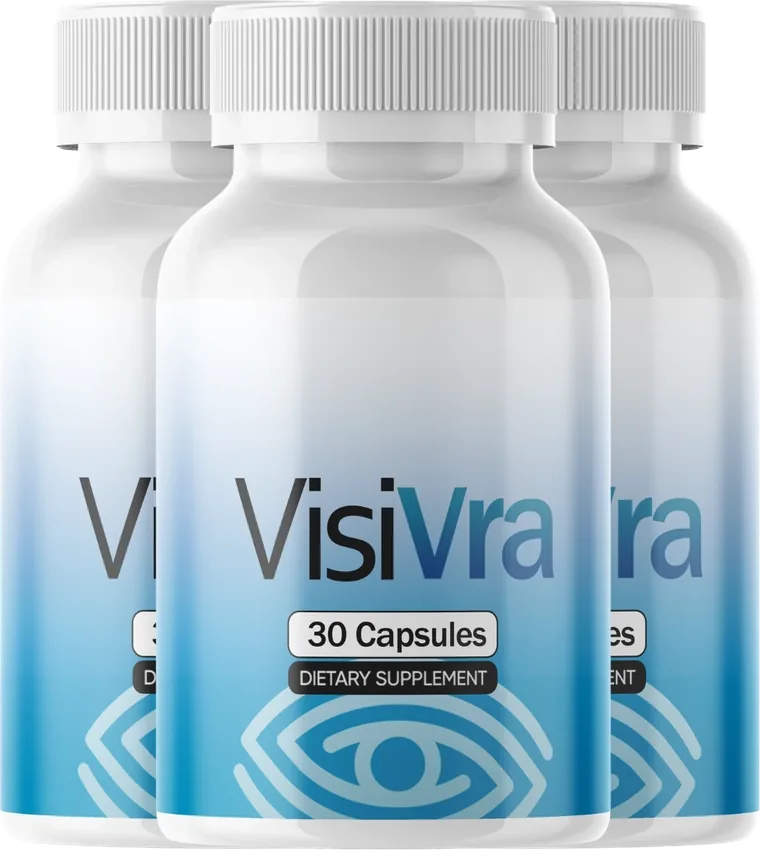
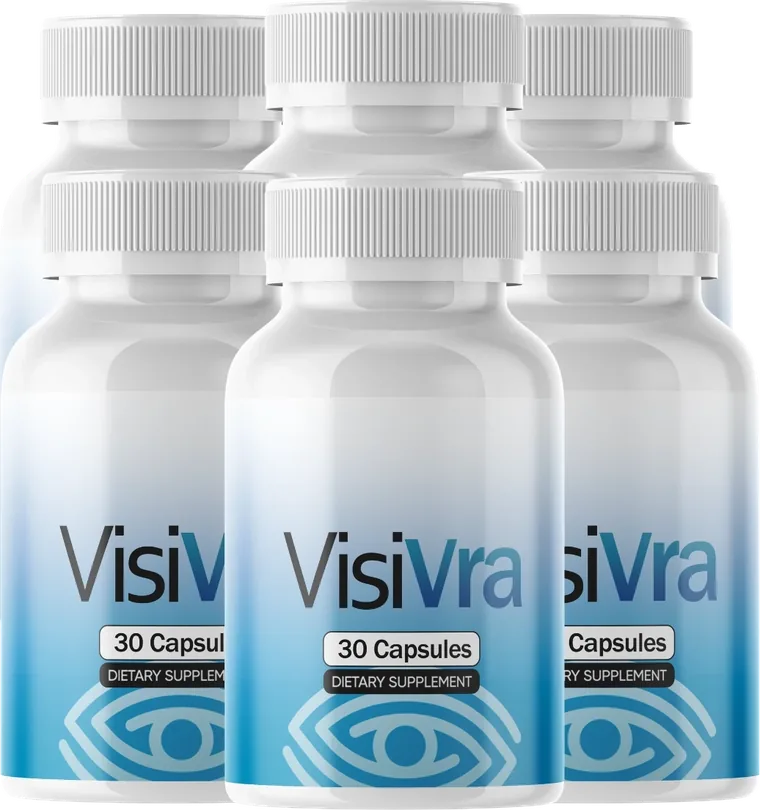
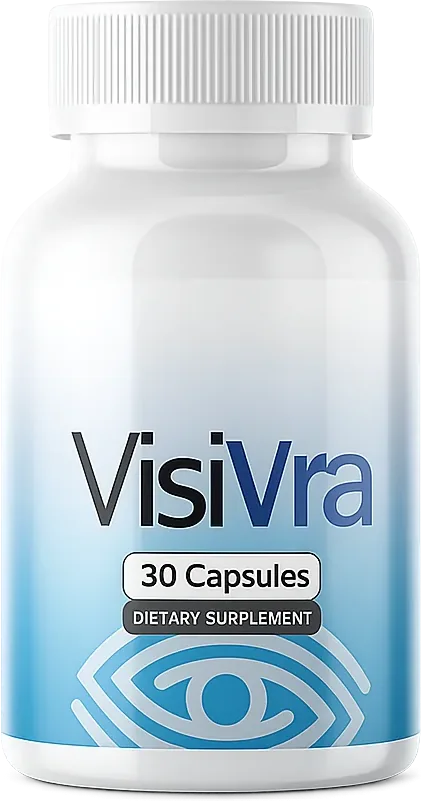
No source we hold connects Visivra Capsules to driving after dark. We have no study of the product, and the bottle photos show only the name, the words "DIETARY SUPPLEMENT" and 30 capsules1.
Sales pages for the product make claims about eyesight that we cannot verify, so we leave them out. What we can do is describe the public facts. The seller's ingredient list names lutein, zeaxanthin, bilberry extract, astaxanthin, zinc and vitamin A, and no amounts are printed in anything we hold2.
That gap matters. Without the panel, nobody can tell whether the capsules hold a little of a nutrient or a lot, so any statement about driving would be a guess. We will not guess. Our results page explains what can and cannot be said about outcomes.
Line02What does NIH say about trouble seeing in low light?
NIH says the most common sign of vitamin A deficiency is xerophthalmia, which starts as trouble seeing in low light3. It also says deficiency is rare in the United States3.
Read those two facts together. Hard-to-see-in-the-dark can be a sign of a nutrient shortage, but that shortage is uncommon here, and many other eye conditions can cause similar trouble. A supplement bottle cannot sort out which one you have. An eye exam can.
NIH also notes that vitamin A is important for normal vision3. That is a statement about the nutrient in general, not about Visivra. Lutein and zeaxanthin, two other listed names, are carotenoids that the body does not convert into vitamin A4, so they are a separate question.
Line03Why is guessing with vitamin A a poor idea?
Because too much preformed vitamin A causes problems of its own, and we do not know which form or amount Visivra uses. NIH sets an adult upper limit of 3,000 mcg a day for preformed vitamin A3.
Signs of too much include severe headache, blurred vision, nausea, dizziness, muscle aches and coordination problems3. Blurred vision on that list is the very symptom a night driver would worry about, which is one more reason not to experiment.
- If you are or might be pregnant, NIH says not to take high-dose vitamin A supplements3.
- If you smoke or used to smoke, high-dose beta-carotene supplements can raise lung cancer risk3.
- If you take a retinoid medicine, vitamin A supplements can push levels dangerously high3.
Read the full story on our vitamin A page.
Line04What should you do if night driving feels harder?
Book a visit with an eye care professional. The CDC says to see one for decreased vision, eye pain, drainage or redness, or double vision5, and difficulty after dark belongs in that conversation.
The table below sets out common situations and a sensible next step. It is a guide for talking to a professional, not a diagnosis.
| What you notice | A sensible next step | Source |
|---|---|---|
| Harder to see in low light | See an eye care professional | 3 |
| Decreased vision or double vision | See an eye care professional promptly | 5 |
| No symptoms, but overdue for a check | Ask about a dilated eye exam | 6 |
| Taking any medicine or pregnant | Ask your doctor or pharmacist before any supplement | 3 |
NEI says many eye diseases have no early symptoms, and a dilated exam is the only way to check for many of them early6. The exam also includes a visual acuity test6.
Line05How can you check the bottle before you decide?
Read the Supplement Facts panel on the bottle itself. It is not visible in the photos we hold, so the panel is the only place to find the amounts and the form of vitamin A1.
If the panel is unclear, call the order desk at +1 (302) 200-3480 and ask. Bring the panel to your doctor or pharmacist, especially if you take any medicine. Never change or stop a medicine on your own because of a supplement.
Our label guide shows what to look for, and our safety page gathers the cautions in one place. If you are comparing packs, the live checkout page shows current details. A supplement is not a substitute for the eye exam, and you should not drive if you cannot see well enough to do so safely.
Safety: Visivra is sold for adults. The bottle photos show only the front label; no Supplement Facts panel, amounts or warnings are visible. Read the full panel before use. The seller lists vitamin A and zinc, which have daily upper limits from all sources combined. If you are pregnant or might be, breastfeeding, under 18, smoke or used to smoke, have a medical condition or take any medicine, ask your doctor or pharmacist first. Never change a prescribed medicine on your own. A supplement does not replace an eye exam: sudden vision changes, eye pain, redness, flashes or double vision need an eye care professional.
Frequently asked questions
Can Visivra Capsules help me see better when driving at night?
We cannot say that. No source we hold ties the product to night driving, so trouble seeing in low light should go to an eye care professional.
Why does vitamin A come up with Visivra Capsules and low light?
NIH says trouble seeing in low light is where vitamin A deficiency starts, but that deficiency is rare in the US. Visivra's vitamin A amount and form are unknown, so read the panel.
Is blurred vision a possible sign of too much vitamin A in Visivra Capsules?
NIH lists blurred vision among the signs of too much preformed vitamin A. Whatever the cause, blurred vision needs an eye care professional.
Should I see an eye doctor before taking Visivra Capsules for dark-road trouble?
Yes. Eye problems can look alike, and a dilated exam is the way to find out what is going on before you try a supplement.